Log in

A new history of the online encyclopedia ignores its well-documented progressive bias.



This page is based on my talk at Øredev in Malmö on 4 November 2026. You can see the slides here.
The AI tools work. People have been trained. The strategy has been signed off. Yet many rollouts stall when teams try to change how they actually work.
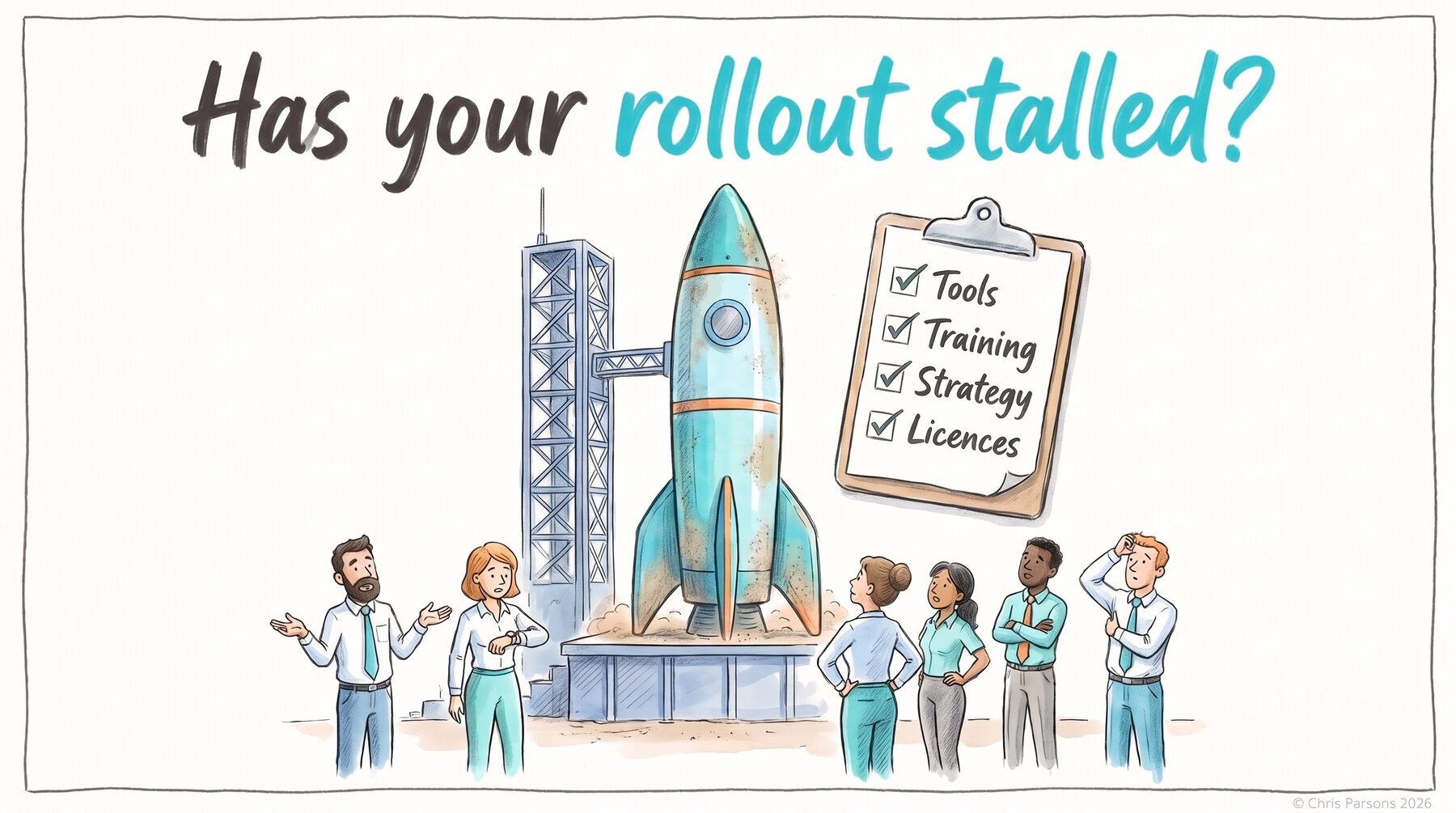
When I went back through my client conversations, the obstacles were rarely about whether the technology could do the job. They were about what the change meant for the people doing it.
This year’s Øredev theme was Legacy, and the legacy of this shift will be what happened to the people, not the code.
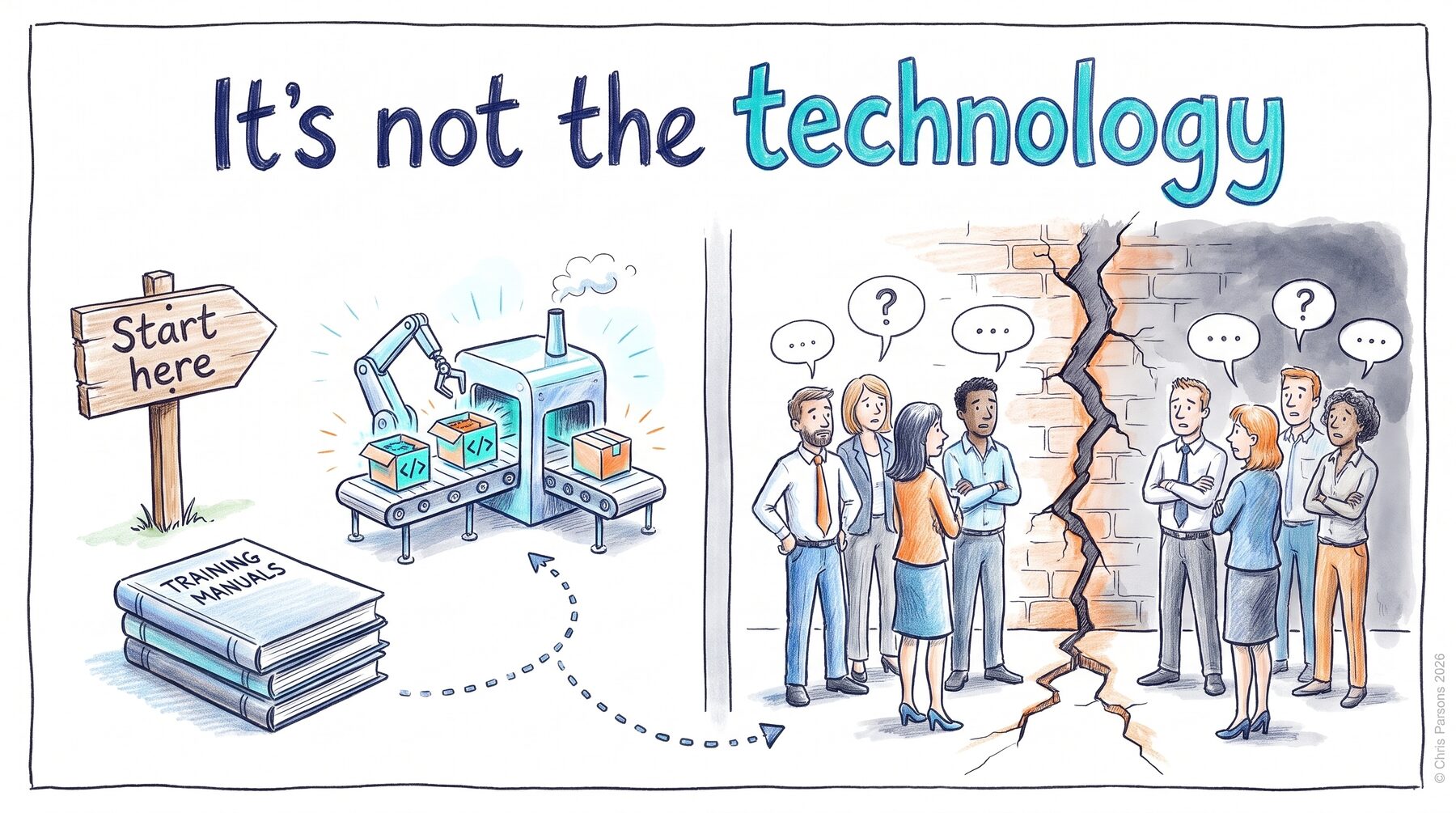
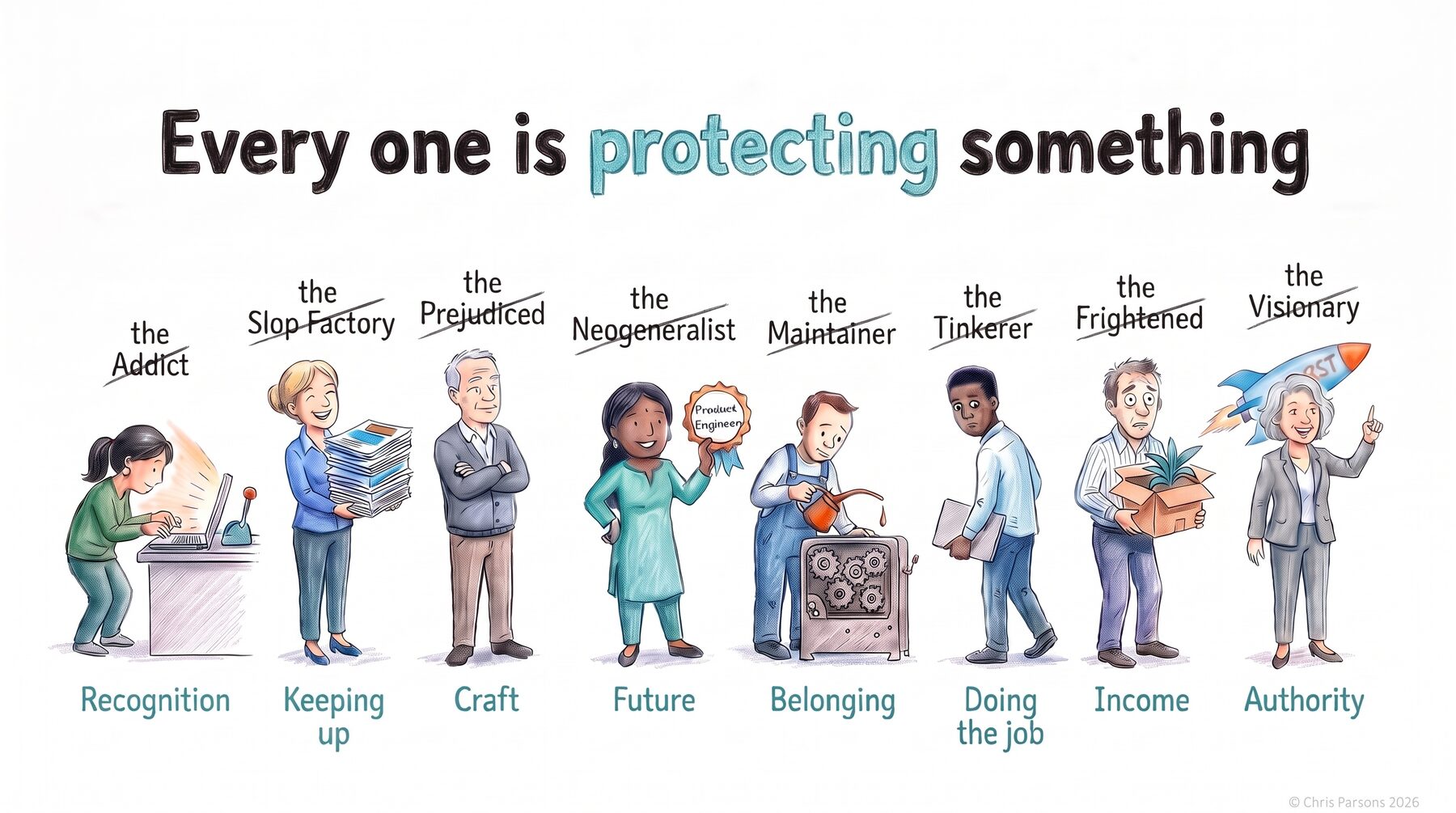
How someone reacts to AI does not tell you whether the tool is good. It tells you what that person is protecting. In the talk, I put eight faces to those reactions, each with the name we call them when we are frustrated. I have been some of them myself.
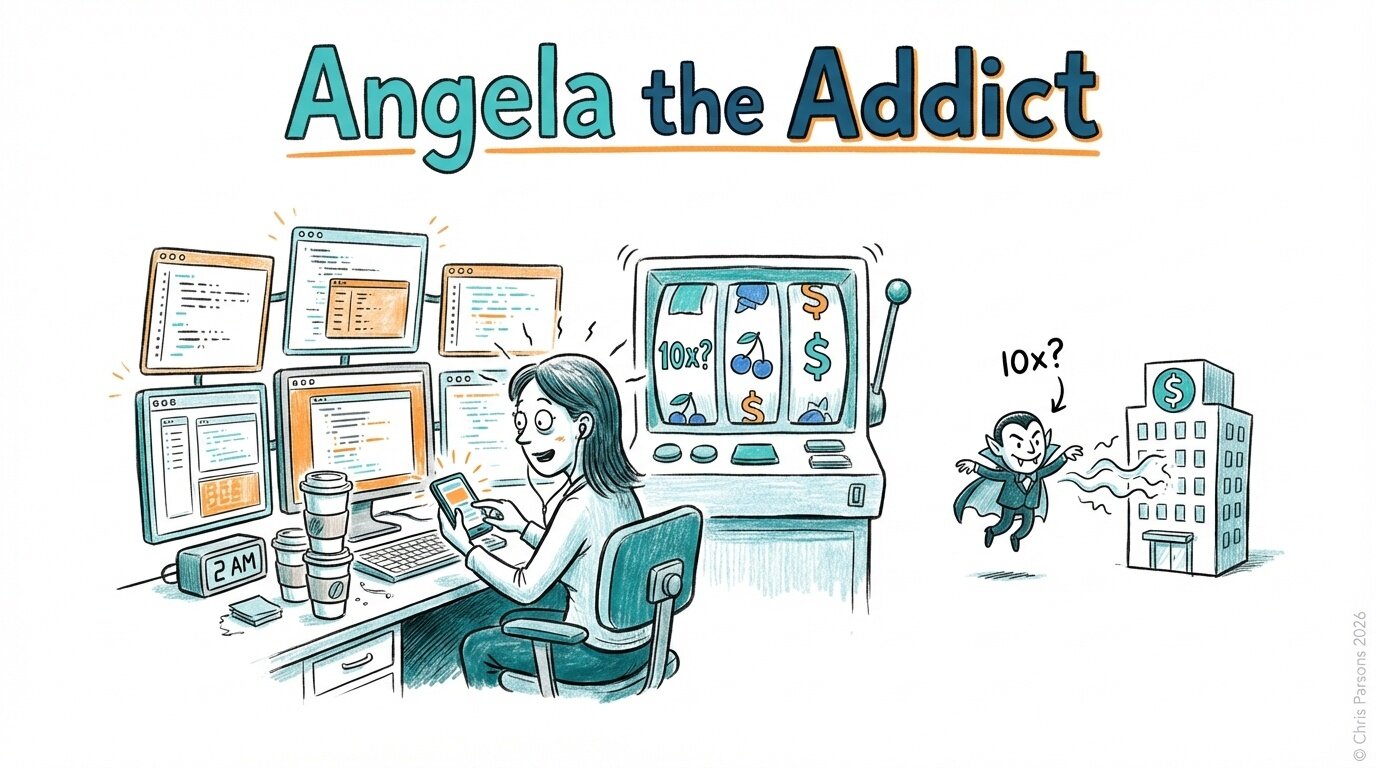
Angela is burning out. She is one of your best people and cannot stop starting another AI session. I recognise this in myself: some mornings I have felt revulsion towards the tool, and by lunchtime I was back. Check on the health of the people producing the most, and agree what happens to the hours and the gains.
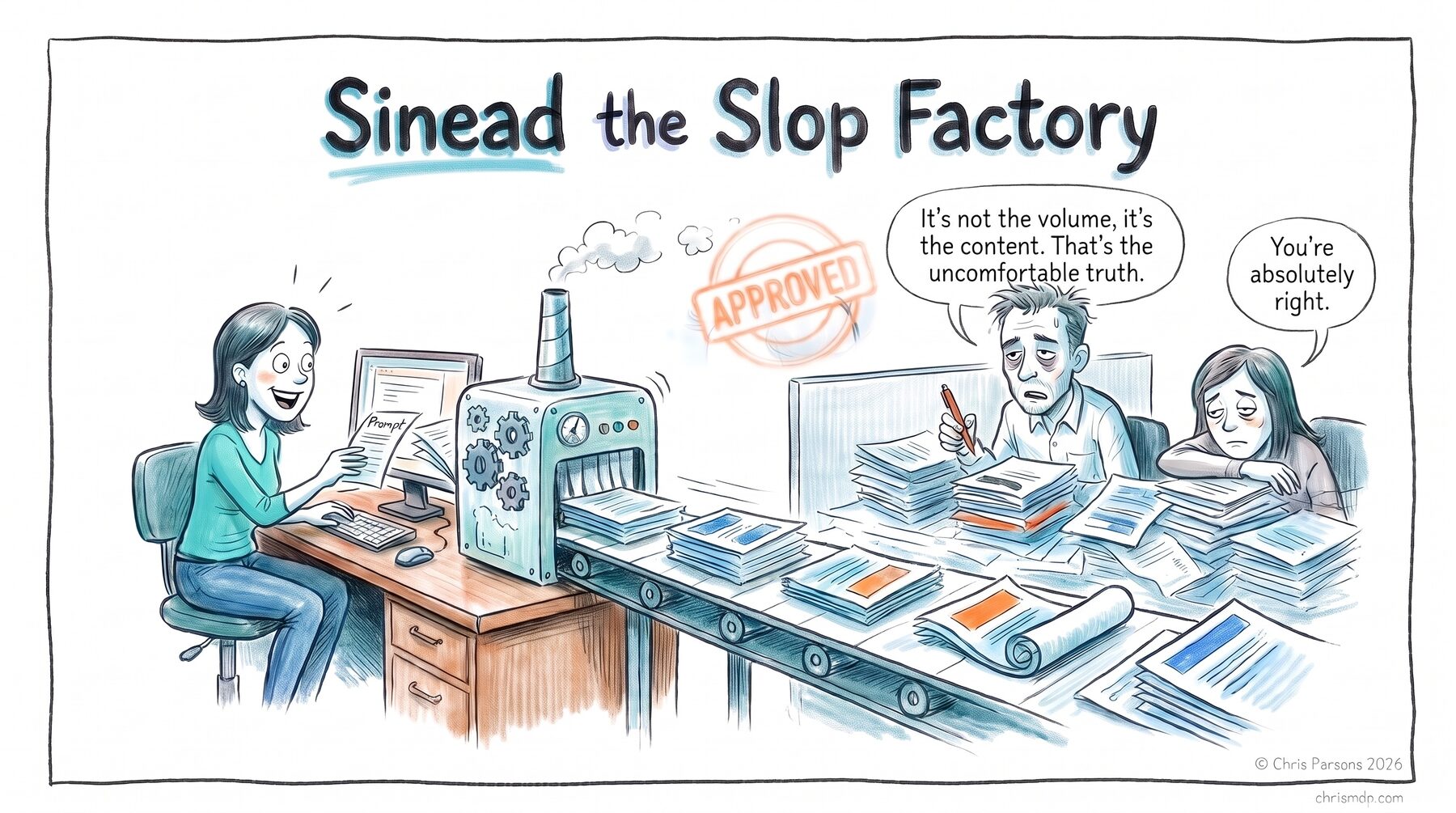
Sinead produces work others have to untangle. A polished document can hide a thought that was never worked through. Ask what its author thinks and how they reached that view. Whoever sends it must stand behind it. I have done this too, dictating a stream of consciousness and letting the AI polish it. The polish hid the gap from the reader, and from me.
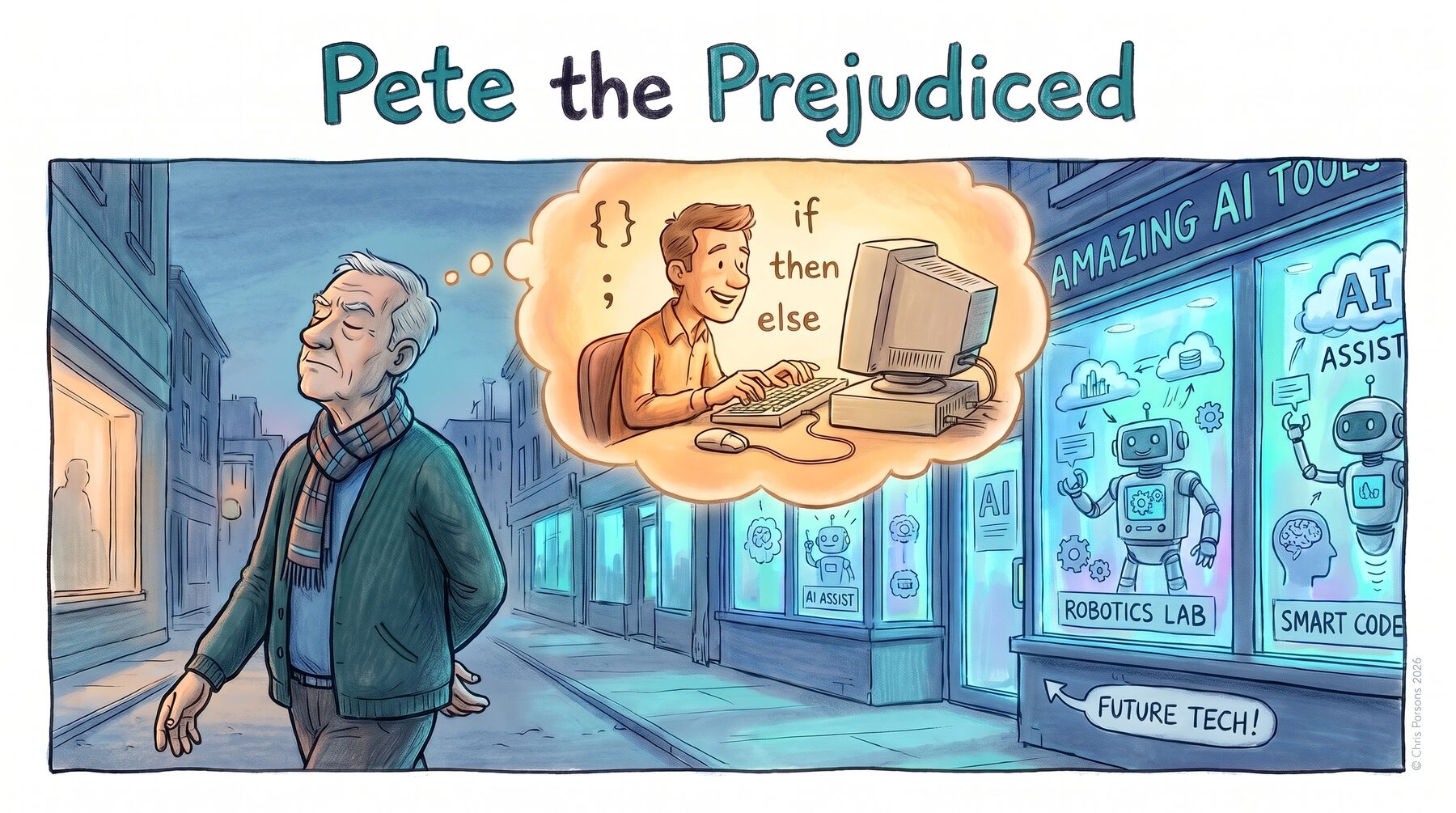
Pete made up his mind too early. He tried AI when it was worse, and he takes pride in the craft now changing. A new benchmark will not address that loss. Give him a peer he respects and a chance to try the tools on real work. The message is “the tools changed”, not “you were wrong”.
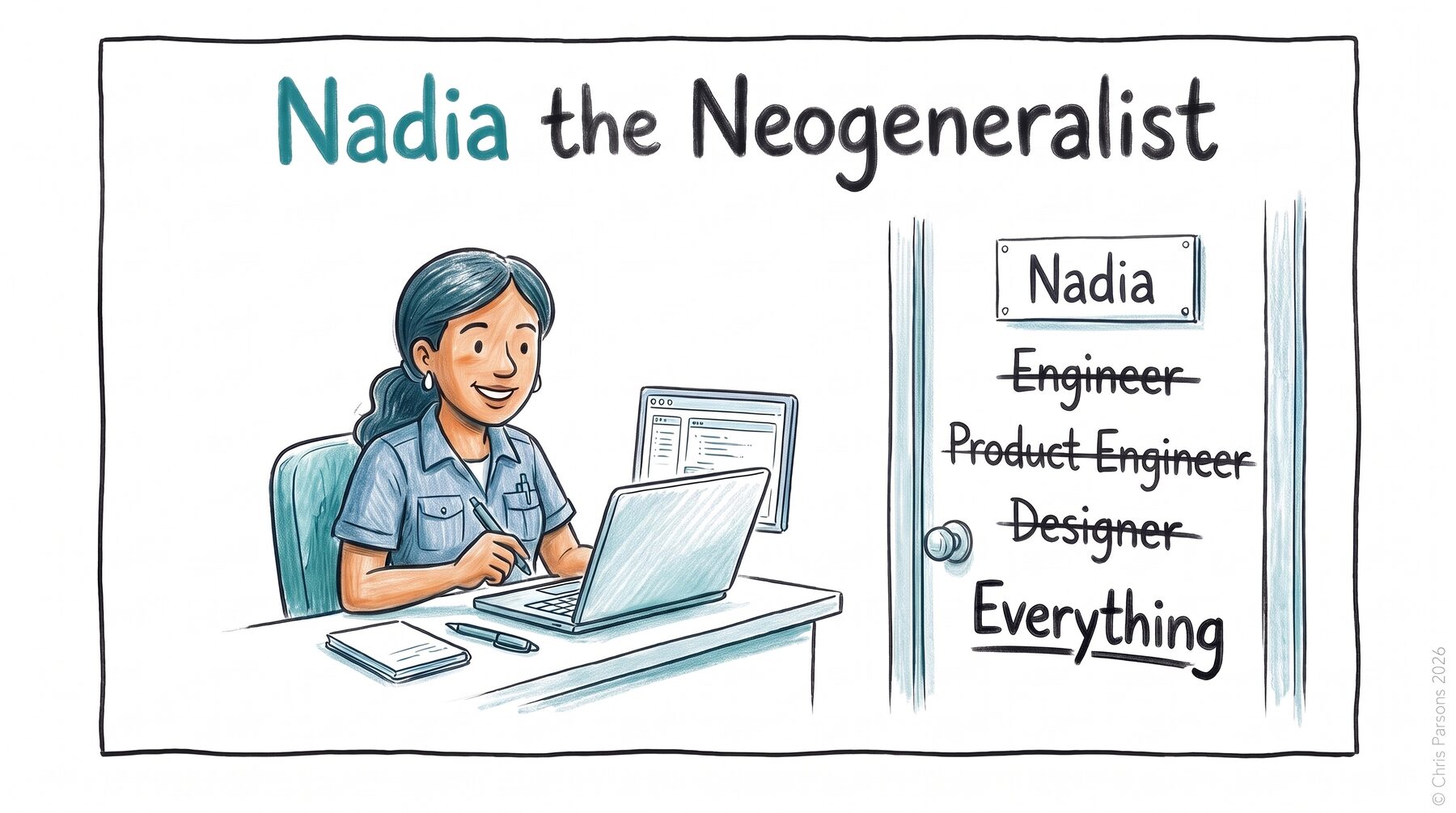
Nadia wants a place in the work ahead. Engineers and product people are both reaching for broader roles, a little like jumping into the lifeboat. Help them learn from one another instead of treating the job title as the answer.
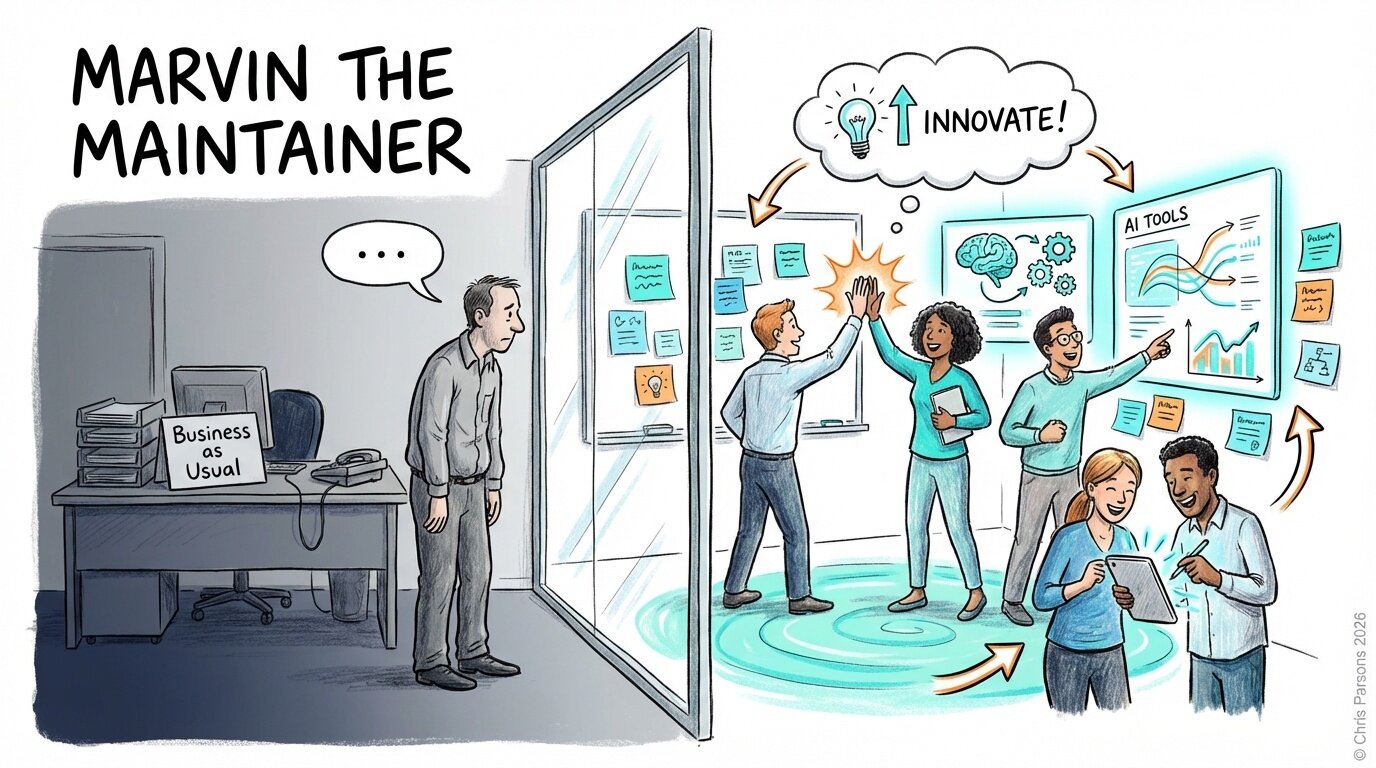
Marvin is keeping the old system running. The small AI team gets the time and attention while he keeps the lights on. Give every team people who can learn and teach, with protected time to do it. Feeling like the B team is a retention problem. In my client conversations, champion groups without protected time fizzled out.
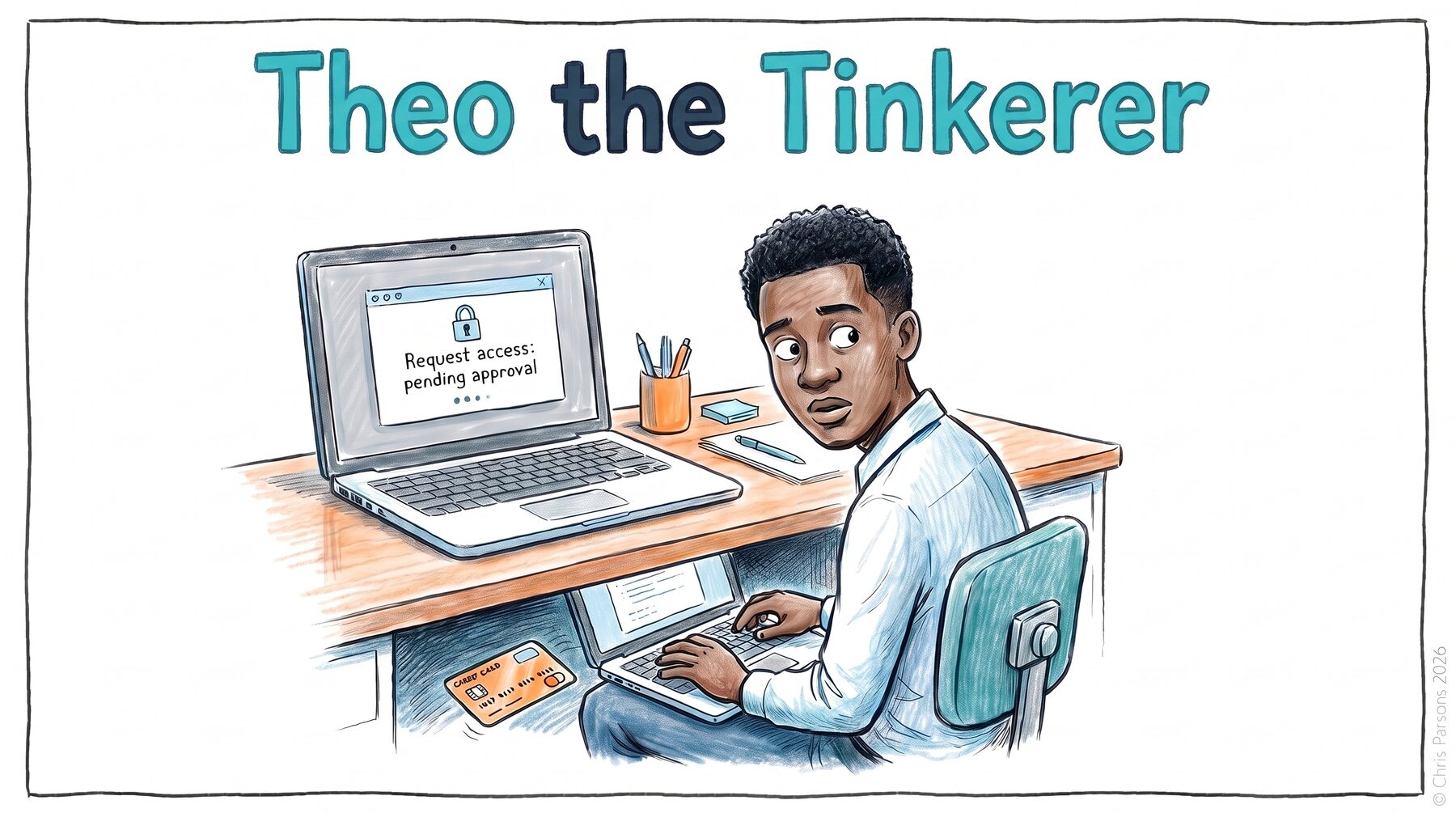
Theo uses his own AI out of sight. If the approved tool is too hard to use, a ban may hide the work rather than stop it. Offer a safe tool that works, then invite people to show what they have built. As one person put it to me: “The moment we made people ask for permission, nobody asked.”
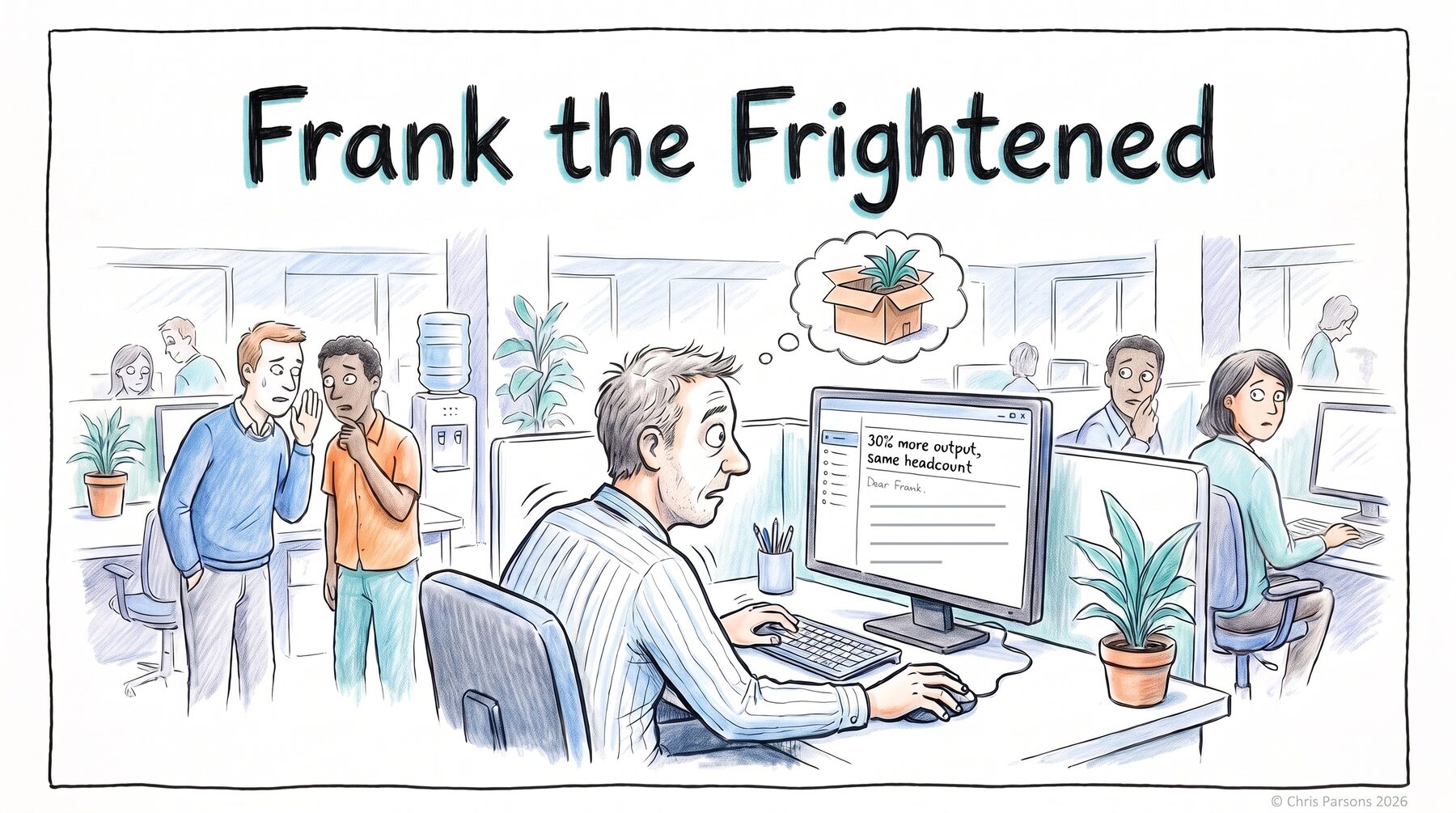
Frank hears a threat to his job. Productivity promises sound different to someone whose team has already faced cuts. Be honest about jobs. Measure teams rather than ranking individuals by AI output. If a cut is coming, make it once.
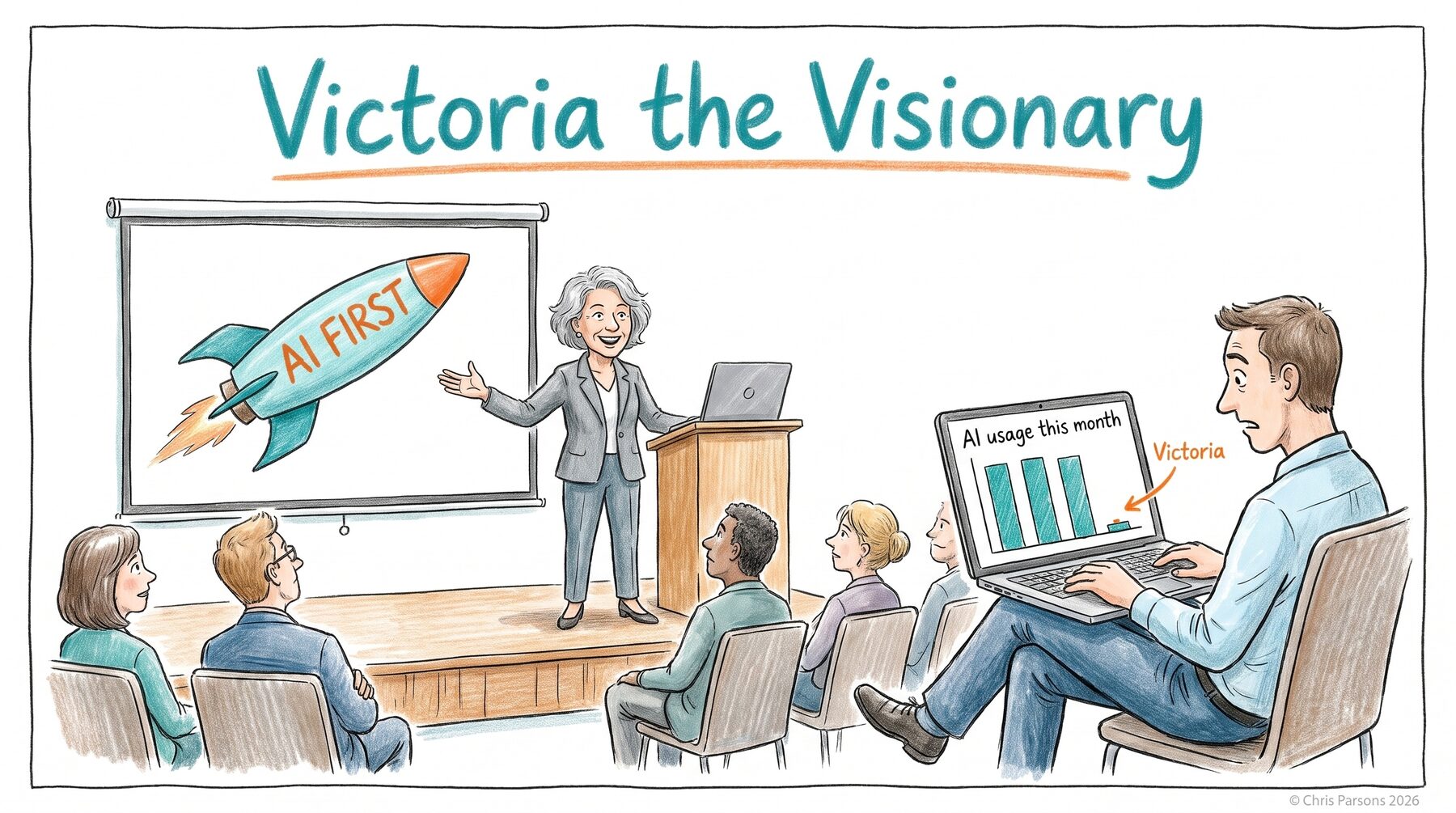
Victoria sets the AI goal without using it herself. A leader cannot learn the limits of the tools from a dashboard, and admitting she has not used it can feel like losing authority. Use AI on your own real work before asking everybody else to change. I see some Victoria in all of us.
These are characters for discussion, not labels to pin on colleagues. The point is to find out what a person is protecting and what you can change for them.
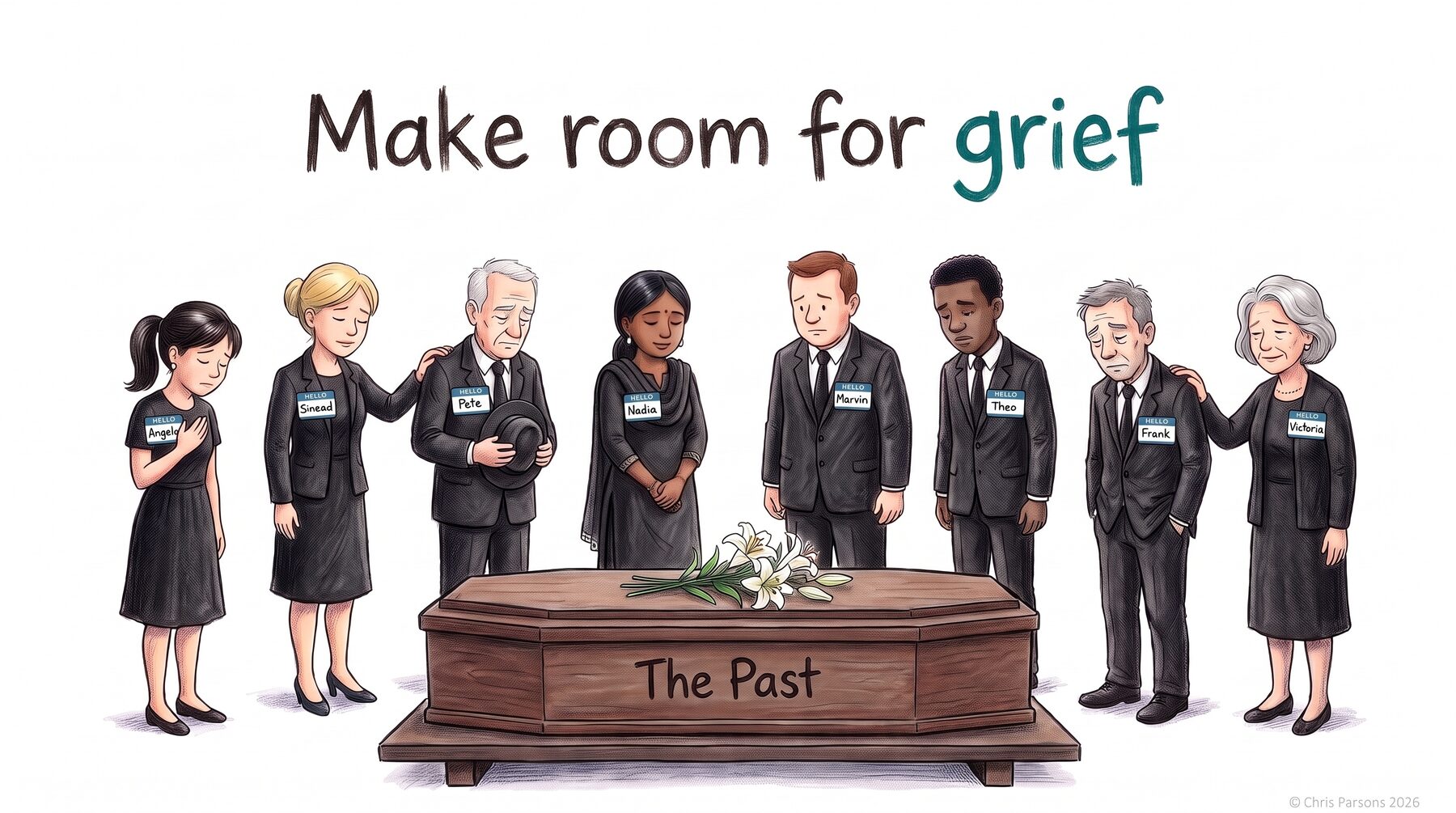
Make room for grief. Work that gave someone pride may have changed underneath them. Listen to that before making the productivity case. Funerals are for the living, not the dead.
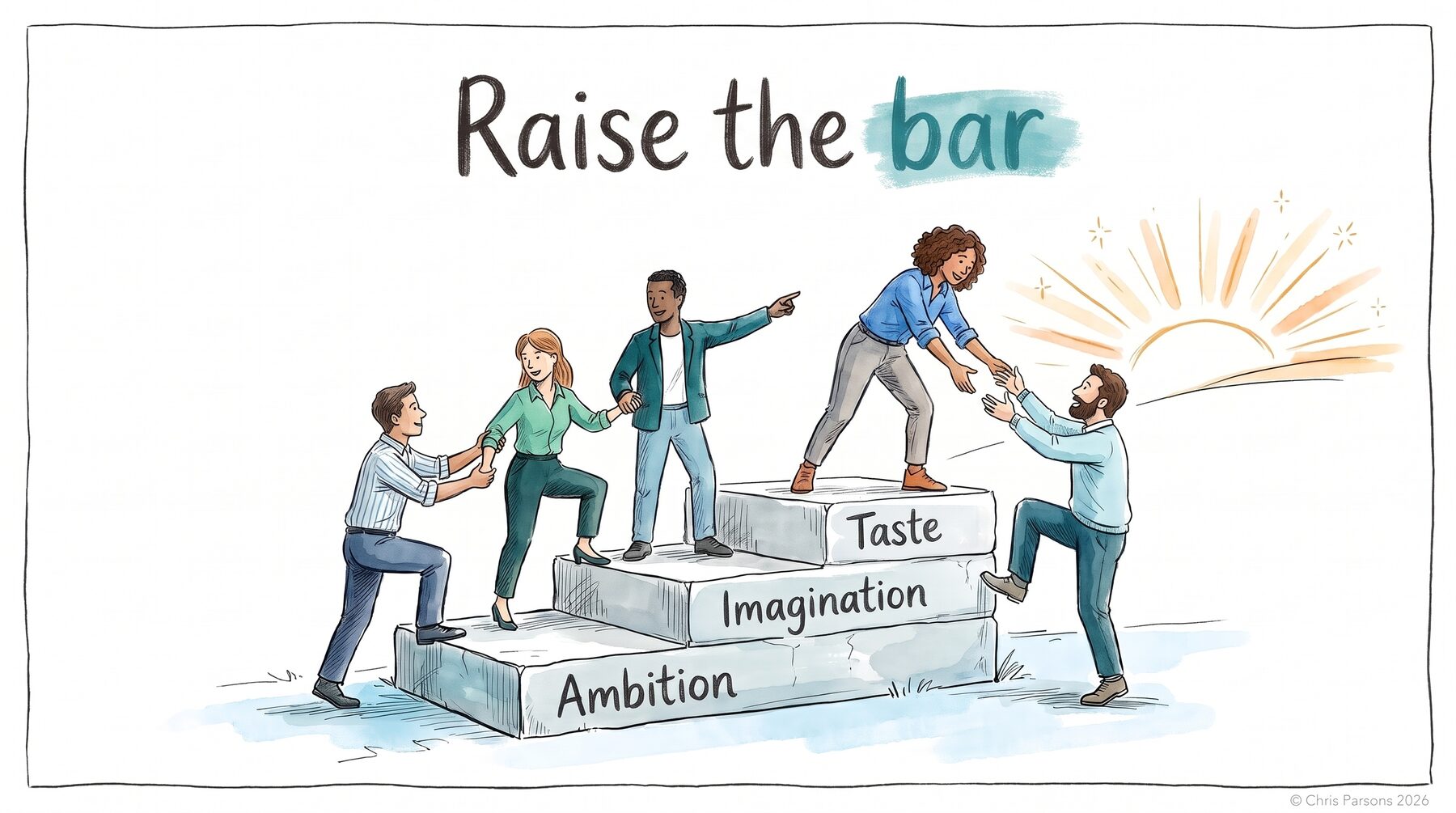
Raise the bar together. Help people build ambition, imagination and taste. Show each other what good work looks like now, including when to stop using AI. Angela does not need more ambition. She needs taste.
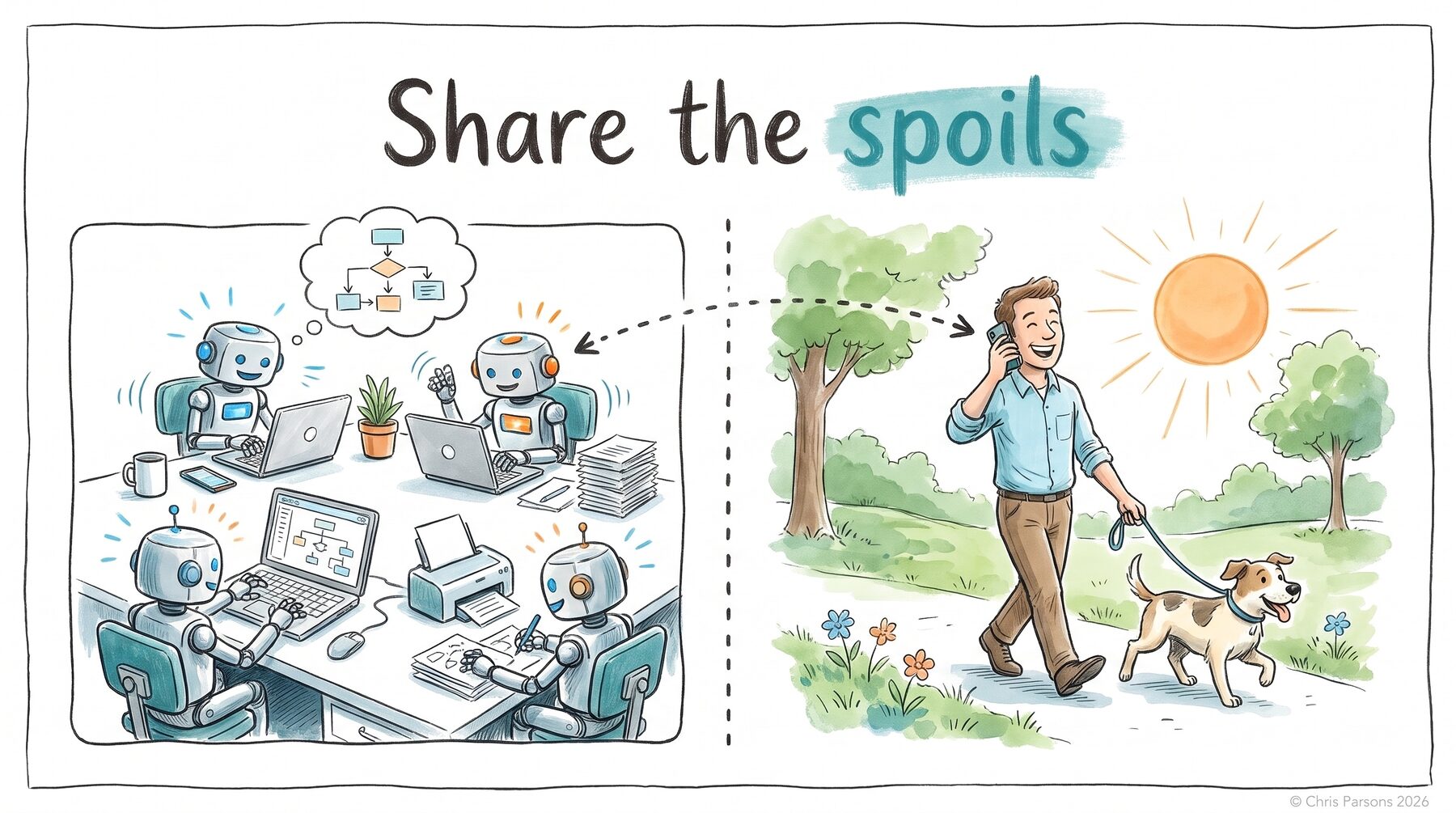
Share the gains. If people can manage AI work without sitting at a desk all day, let the working arrangement change with the job. Do not ask the most enthusiastic people for more hours just because the tools allow it. In the industrial revolution, real wages barely moved for half a century while output per worker rose.1
I explored an earlier version of these people problems in a March webinar. That session had seven characters, several of whom return here. The Øredev talk revisits the idea with eight and puts the leadership response at its centre.
Talk to one person on your team this week. Ask how AI is changing their work, and listen for what they are trying to protect. The conversation is worth more than another usage chart. People crave connection, and it is the one thing AI cannot give them.
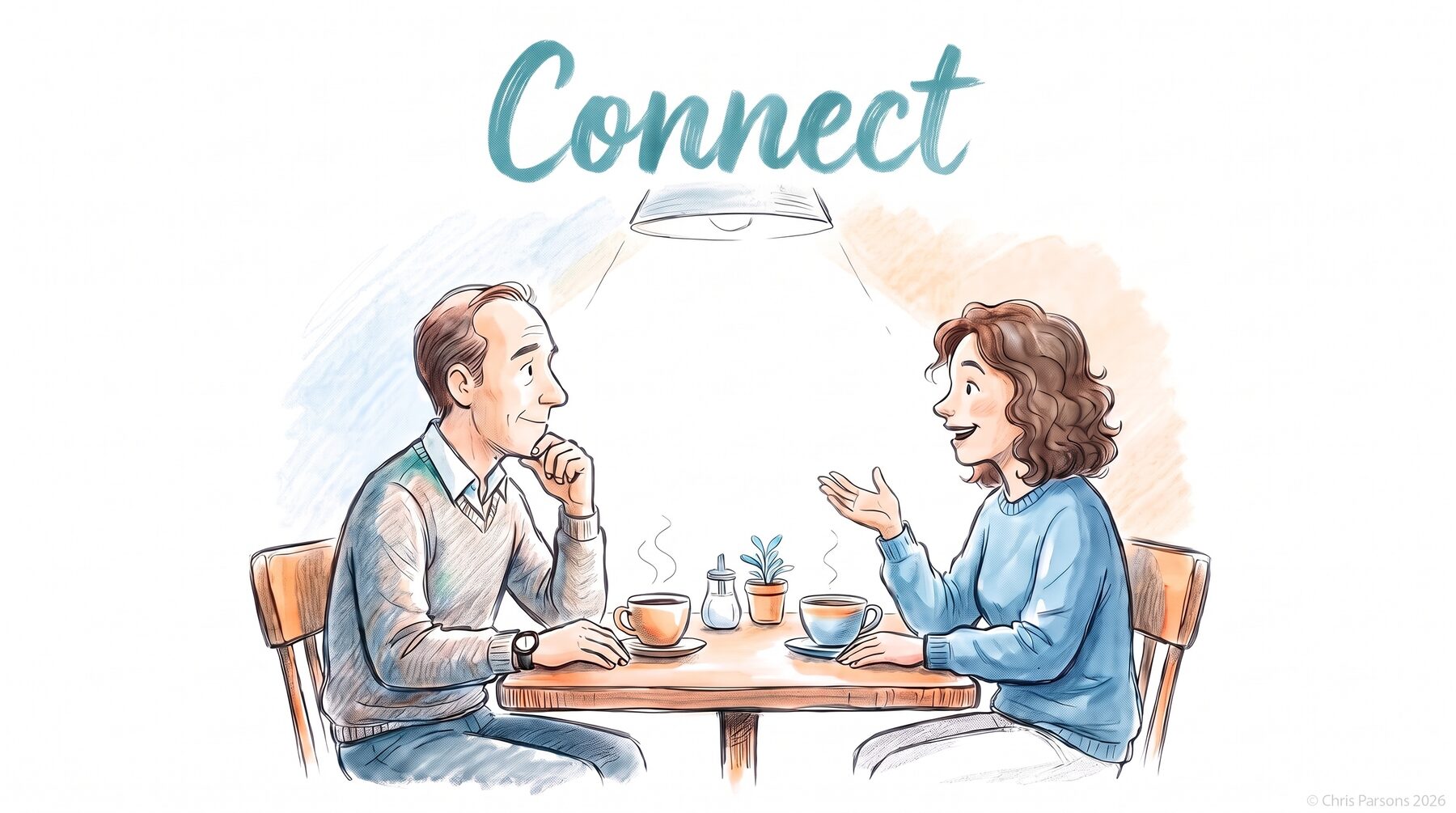
With social media, the technology raced ahead and people were left to cope on their own. We already know that legacy. This time we get to choose AI’s.
Robert C. Allen, “Engels’ pause: Technical change, capital accumulation, and inequality in the British industrial revolution”, Explorations in Economic History 46(4), 2009. ↩
Being a computer scientist who refuses to find anything about LLMs interesting right now is a bit like being a geneticist who refuses to find anything interesting about the recently opened Jurassic Park.
Skeptical geneticist: "pfft, it's just frog DNA. And they deliberately let them eat people for the marketing."
Tags: llms, ai, generative-ai