90 stories
·
2 followers

Wikipedia’s War on Neutrality

1 Comment and 2 Shares
A new history of the online encyclopedia ignores its well-documented progressive bias.
Read the whole story
denismm
35 minutes ago
reply
Saved you a click - she’s whining that this book doesn’t talk about the evils of Wikipedia such as “not considering the Daily Mail to be a reliable source” and “not trusting the ADL’s statements about the Gaza conflict”.
Share this story
Delete

AI Has a People Problem

1 Comment and 2 Shares

This page is based on my talk at Øredev in Malmö on 4 November 2026. You can see the slides here.

The AI tools work. People have been trained. The strategy has been signed off. Yet many rollouts stall when teams try to change how they actually work.
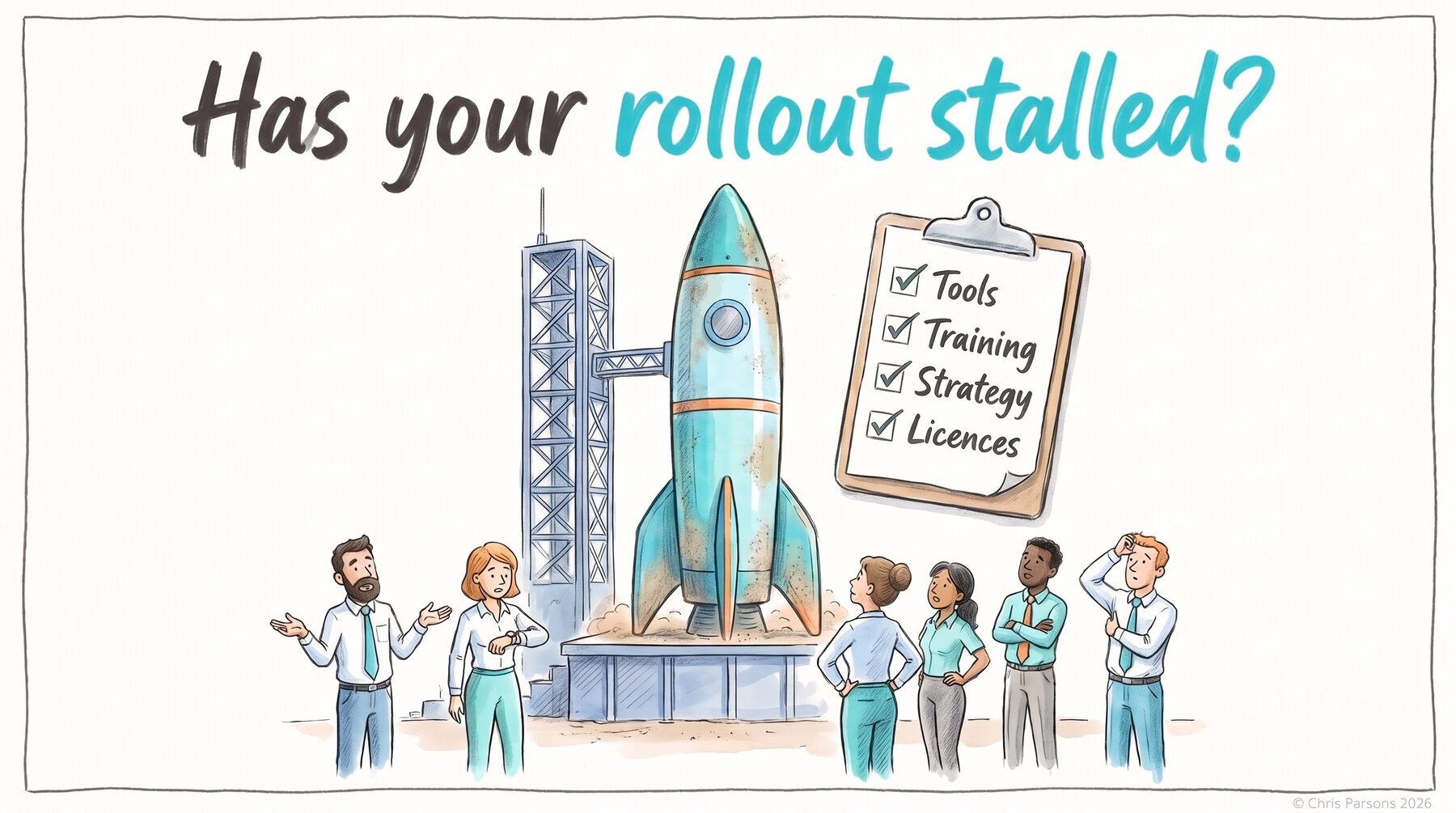
Slide: 'Has your rollout stalled?' A rocket sits on the launch pad with tools, training, strategy and licences all ticked off, while the people around it shrug.

When I went back through my client conversations, the obstacles were rarely about whether the technology could do the job. They were about what the change meant for the people doing it.

This year’s Øredev theme was Legacy, and the legacy of this shift will be what happened to the people, not the code.
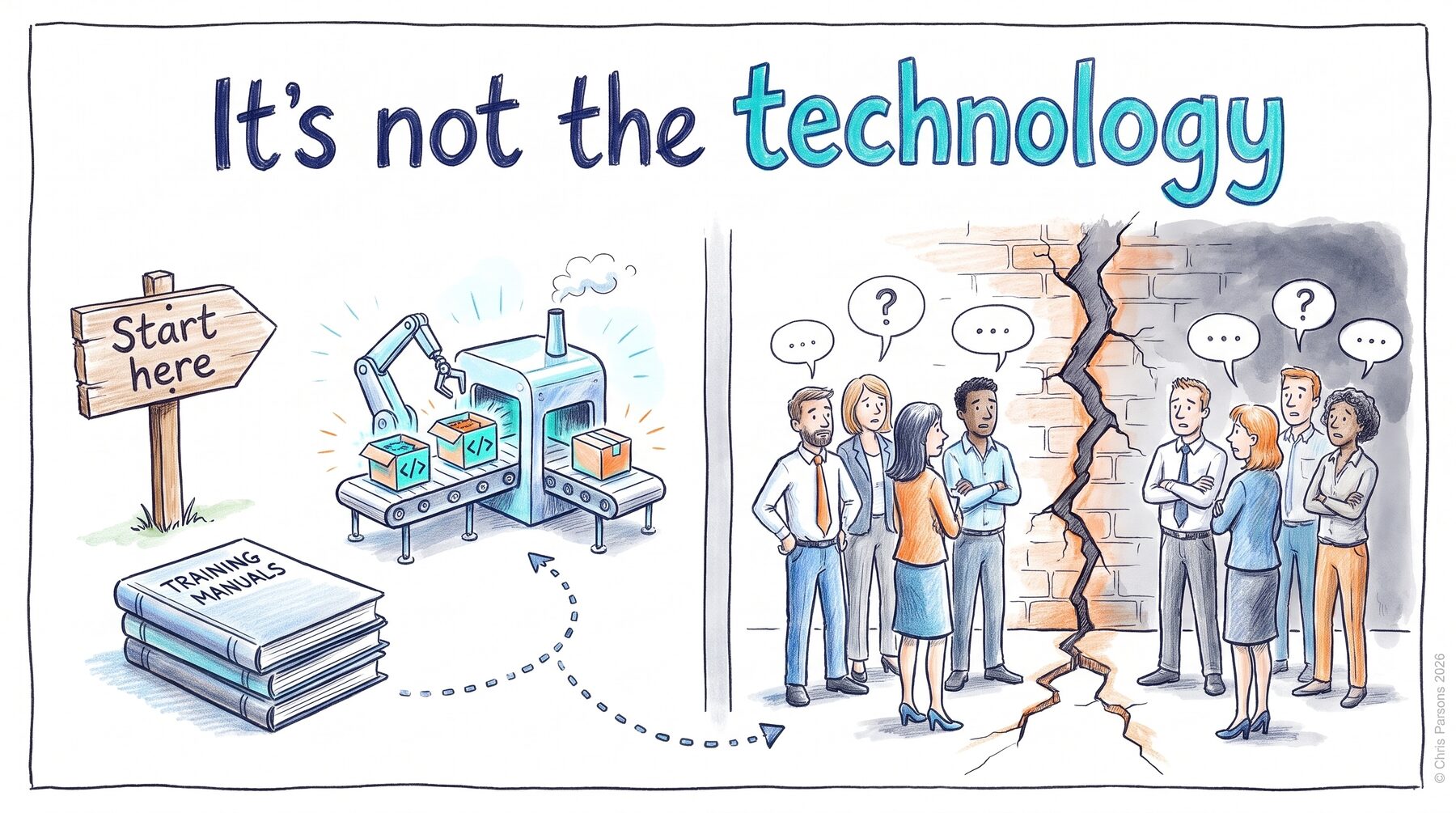
Slide: 'It's not the technology'. On one side, a signpost saying 'Start here' points at training manuals and a software factory; on the other, a crack runs through a wall between confused groups of people.

How someone reacts to AI does not tell you whether the tool is good. It tells you what that person is protecting. In the talk, I put eight faces to those reactions, each with the name we call them when we are frustrated. I have been some of them myself.
Eight people to notice

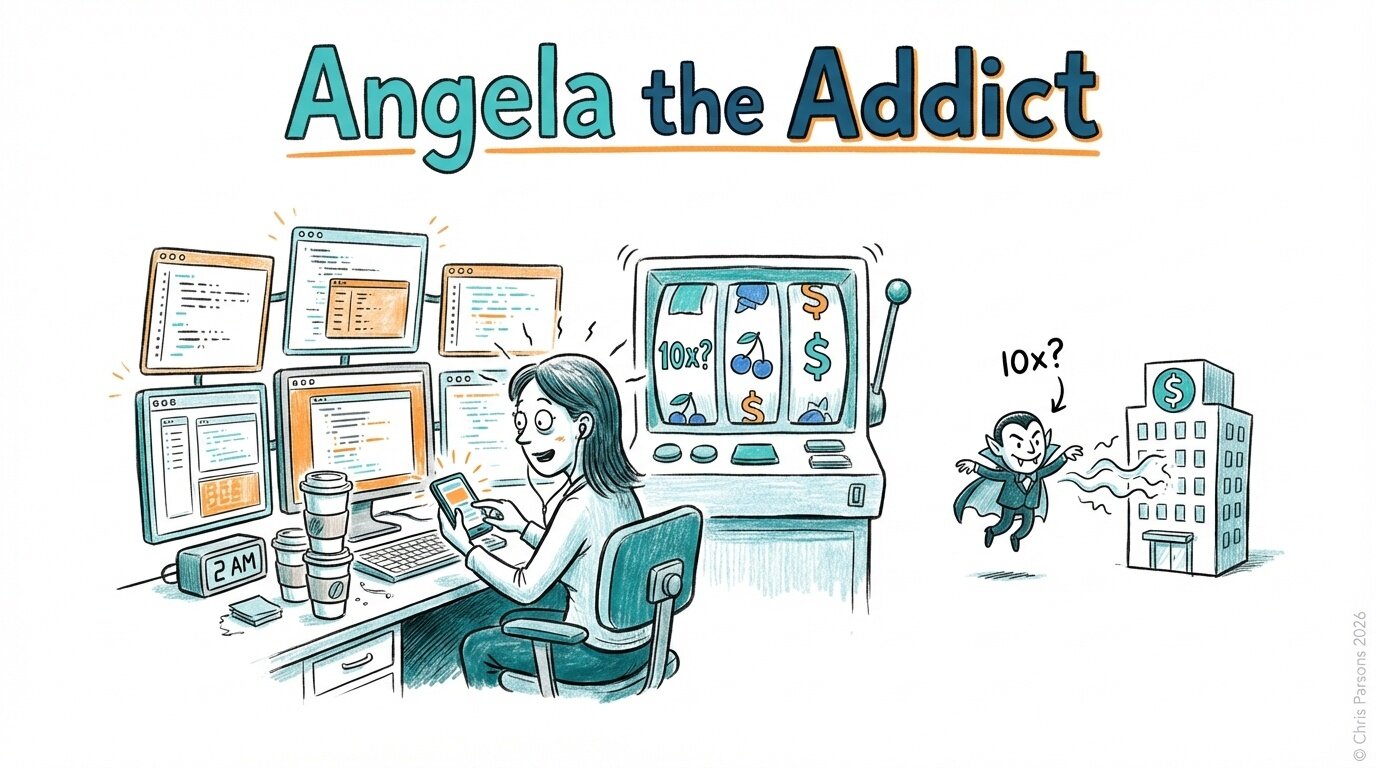
Slide: 'Angela the Addict'. A woman works across six screens at 2am, one of them a slot machine, while a little figure asking '10x?' flies off towards an office block.

Angela is burning out. She is one of your best people and cannot stop starting another AI session. I recognise this in myself: some mornings I have felt revulsion towards the tool, and by lunchtime I was back. Check on the health of the people producing the most, and agree what happens to the hours and the gains.
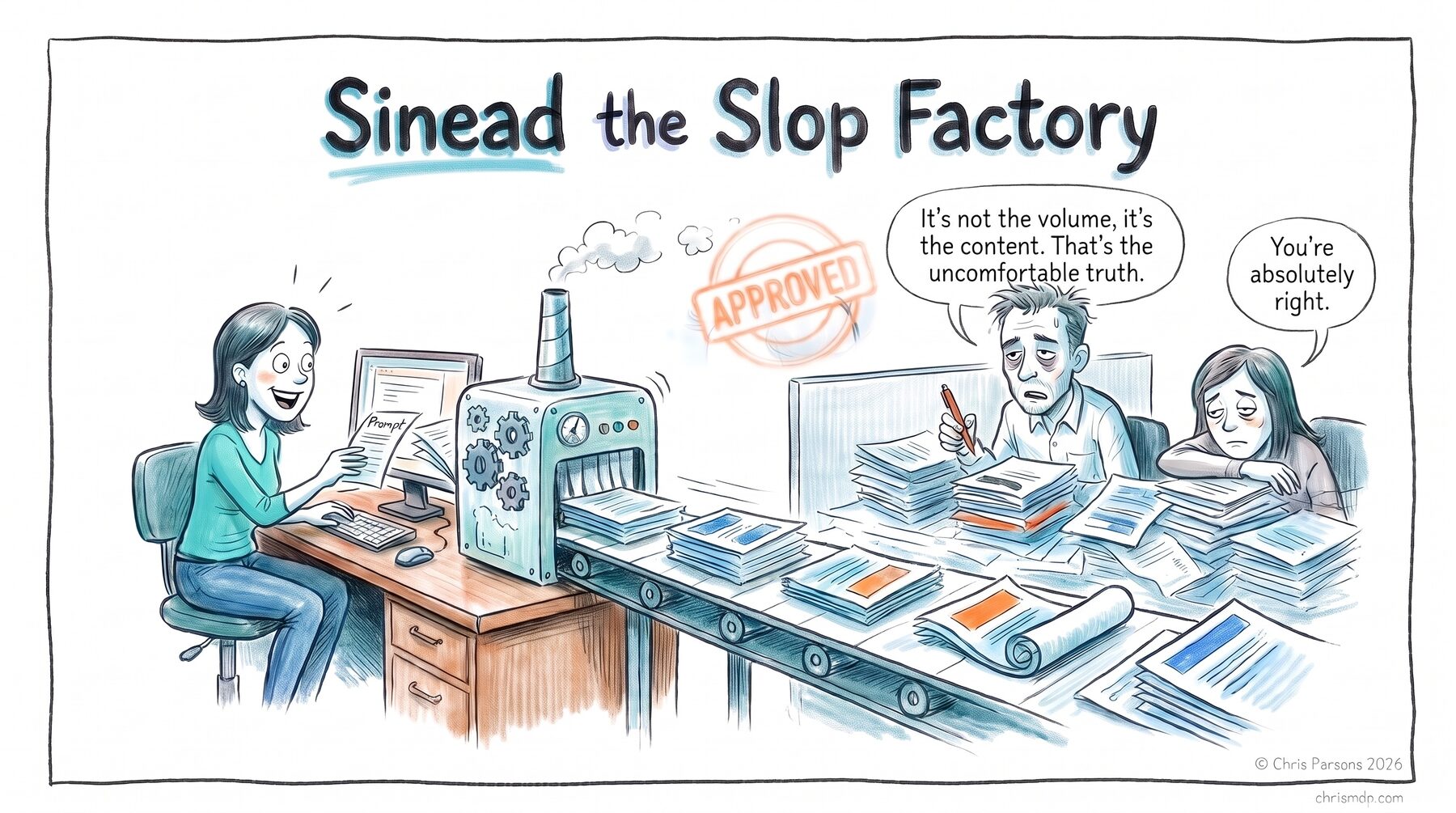
Slide: 'Sinead the Slop Factory'. A cheerful woman feeds a machine stamped 'Approved' that churns out documents, while her colleagues wade through the pile.

Sinead produces work others have to untangle. A polished document can hide a thought that was never worked through. Ask what its author thinks and how they reached that view. Whoever sends it must stand behind it. I have done this too, dictating a stream of consciousness and letting the AI polish it. The polish hid the gap from the reader, and from me.
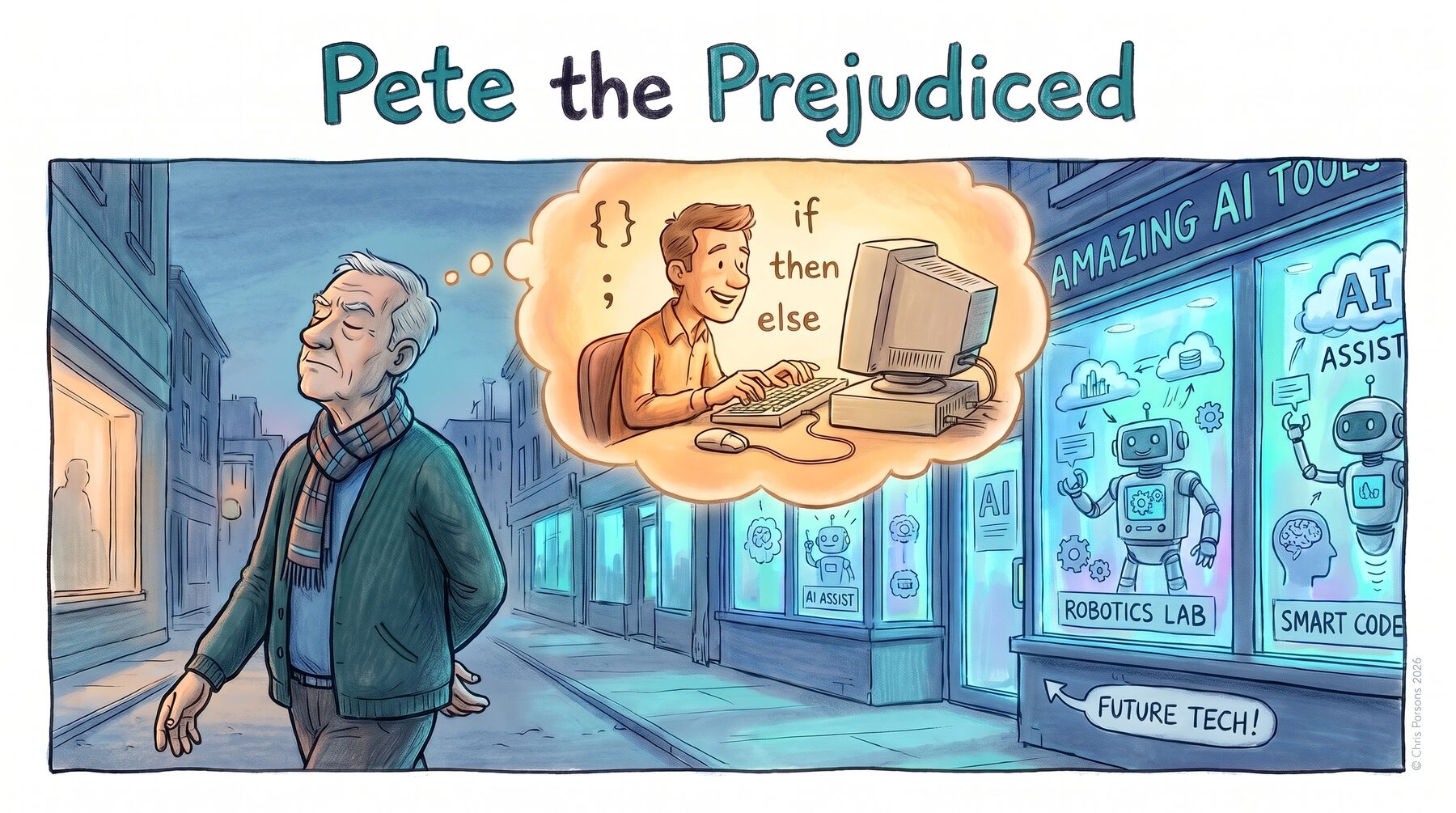
Slide: 'Pete the Prejudiced'. An older man walks past shop windows full of new AI tools, dreaming of himself writing if-then-else code at an old computer.

Pete made up his mind too early. He tried AI when it was worse, and he takes pride in the craft now changing. A new benchmark will not address that loss. Give him a peer he respects and a chance to try the tools on real work. The message is “the tools changed”, not “you were wrong”.
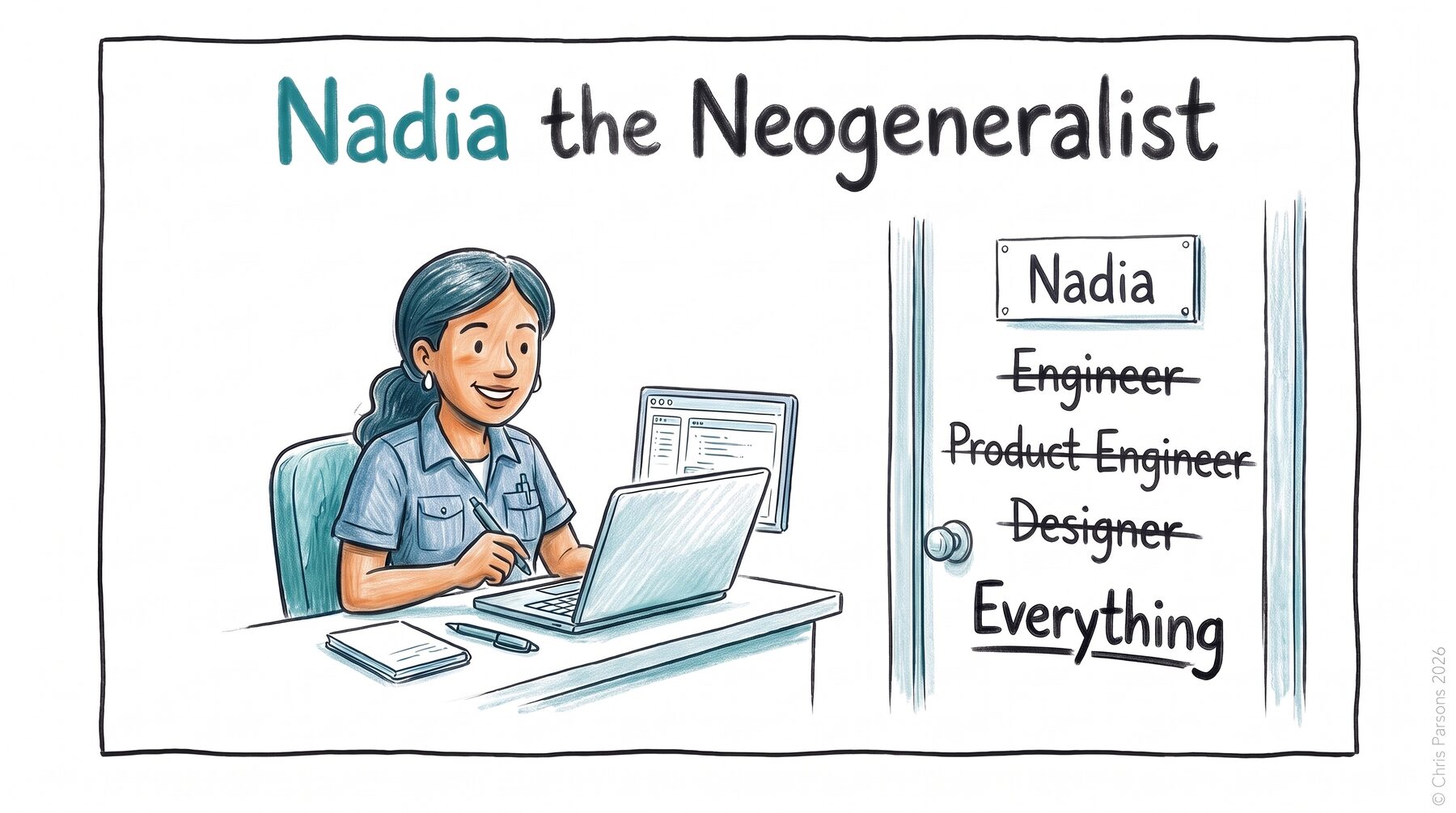
Slide: 'Nadia the Neogeneralist'. A woman at her laptop beside a name plate where Engineer, Product Engineer and Designer are crossed out and replaced with Everything.

Nadia wants a place in the work ahead. Engineers and product people are both reaching for broader roles, a little like jumping into the lifeboat. Help them learn from one another instead of treating the job title as the answer.
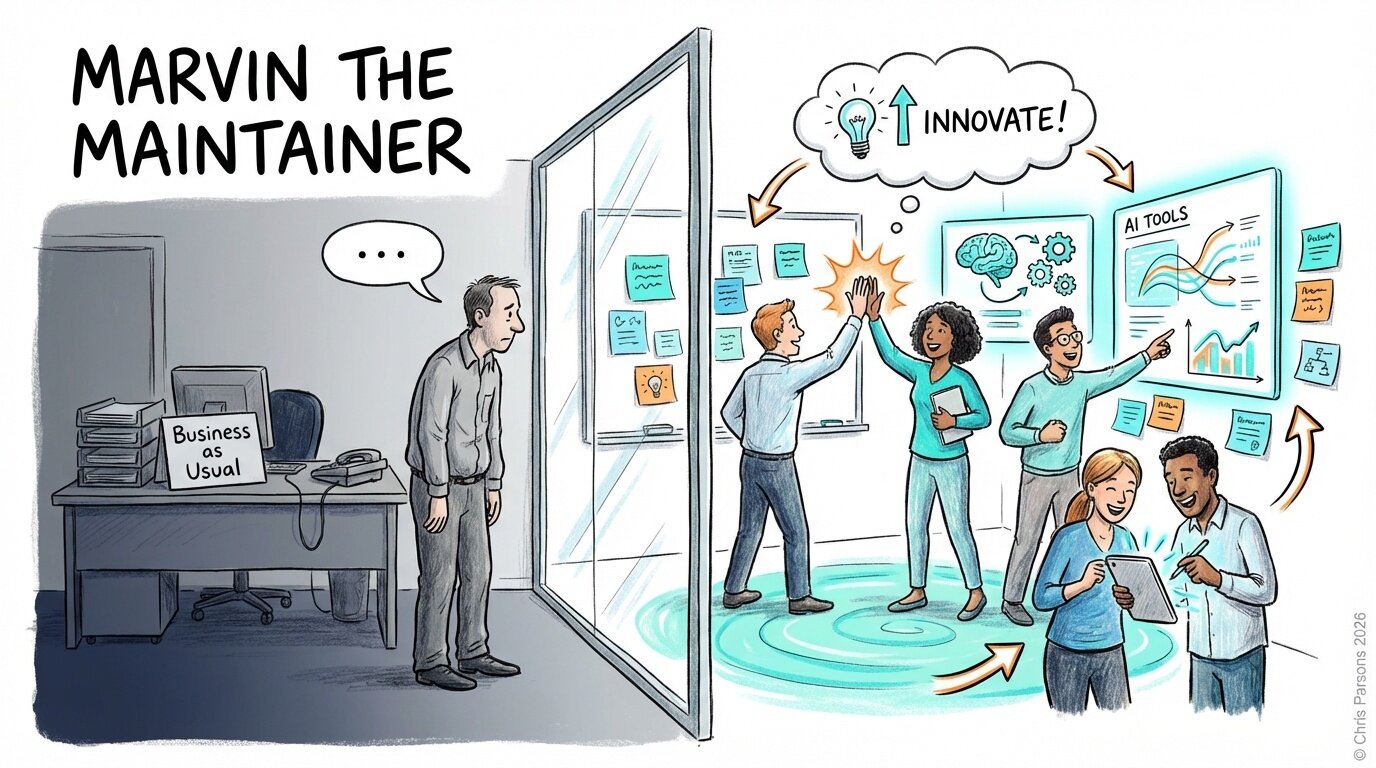
Slide: 'Marvin the Maintainer'. A man stands alone in a grey office marked 'Business as usual', looking through a glass door at a bright team celebrating with AI tools.

Marvin is keeping the old system running. The small AI team gets the time and attention while he keeps the lights on. Give every team people who can learn and teach, with protected time to do it. Feeling like the B team is a retention problem. In my client conversations, champion groups without protected time fizzled out.
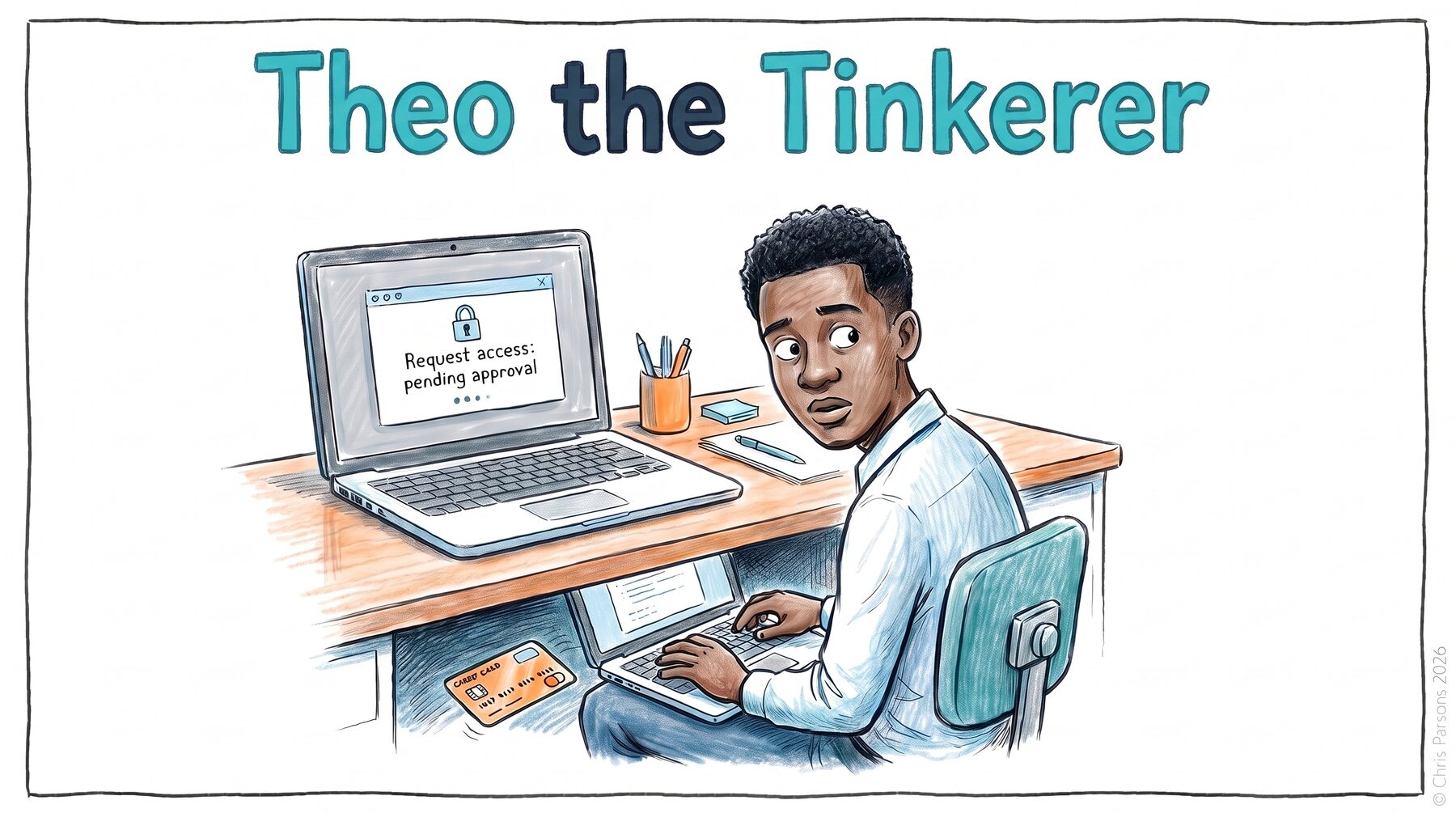
Slide: 'Theo the Tinkerer'. A man glances over his shoulder while his work laptop shows 'Request access: pending approval' and his own card sits by the keyboard.

Theo uses his own AI out of sight. If the approved tool is too hard to use, a ban may hide the work rather than stop it. Offer a safe tool that works, then invite people to show what they have built. As one person put it to me: “The moment we made people ask for permission, nobody asked.”
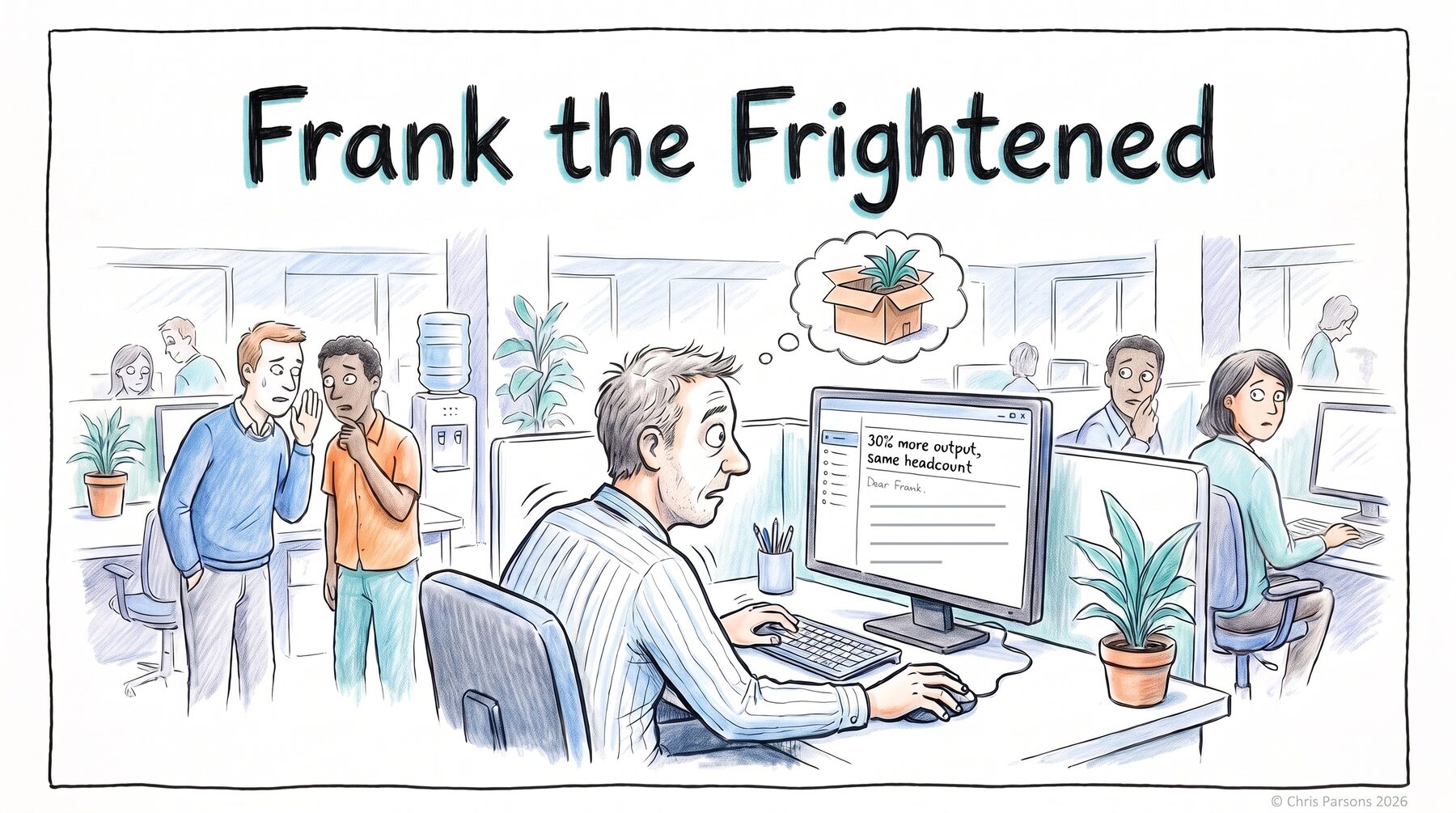
Slide: 'Frank the Frightened'. A worried man at his desk reads an announcement about 30% more output with the same headcount, while colleagues whisper behind him.

Frank hears a threat to his job. Productivity promises sound different to someone whose team has already faced cuts. Be honest about jobs. Measure teams rather than ranking individuals by AI output. If a cut is coming, make it once.
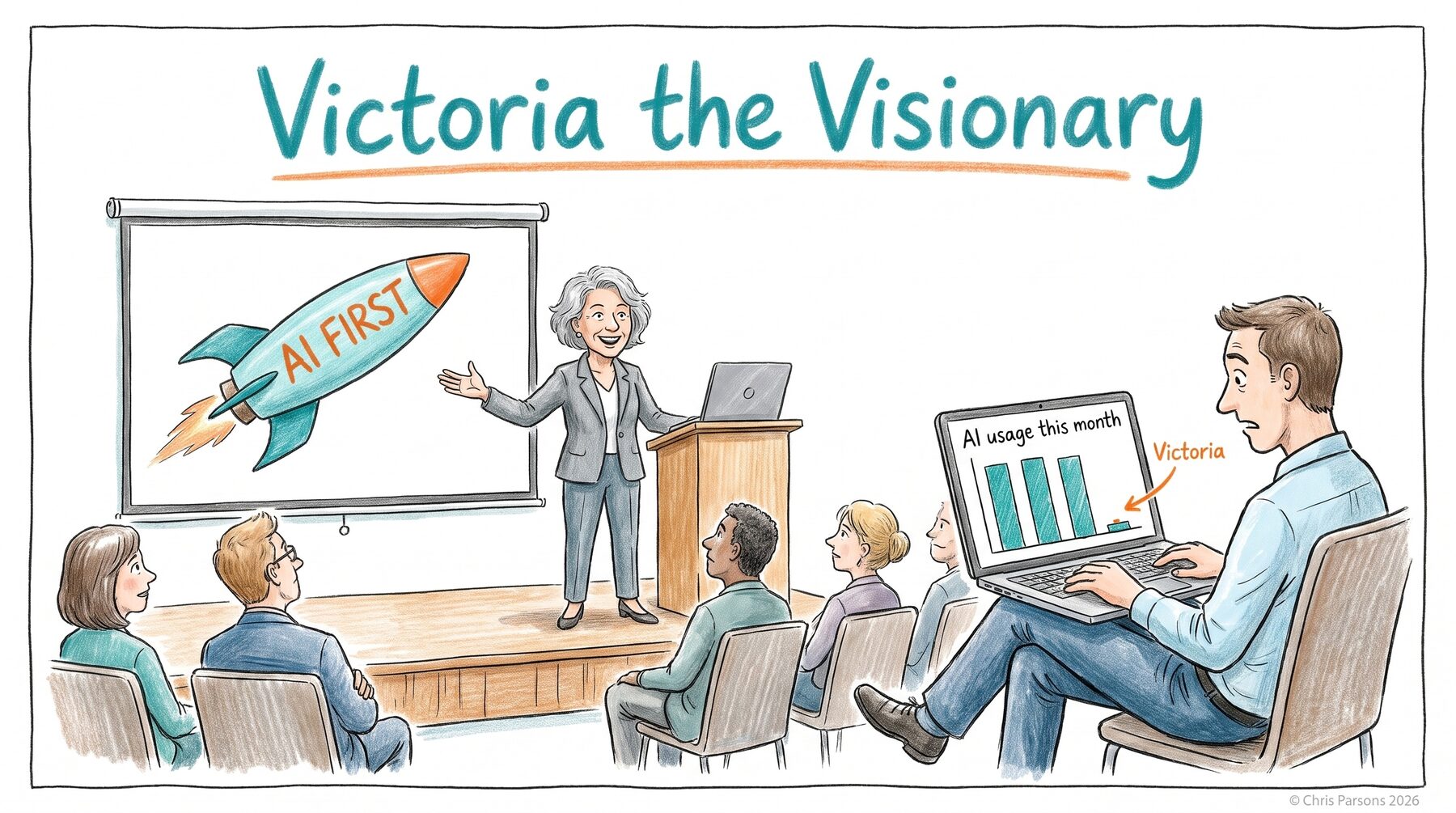
Slide: 'Victoria the Visionary'. A leader presents an 'AI first' rocket on stage, while in the audience a man's laptop shows her AI usage this month is the lowest bar.

Victoria sets the AI goal without using it herself. A leader cannot learn the limits of the tools from a dashboard, and admitting she has not used it can feel like losing authority. Use AI on your own real work before asking everybody else to change. I see some Victoria in all of us.

These are characters for discussion, not labels to pin on colleagues. The point is to find out what a person is protecting and what you can change for them.
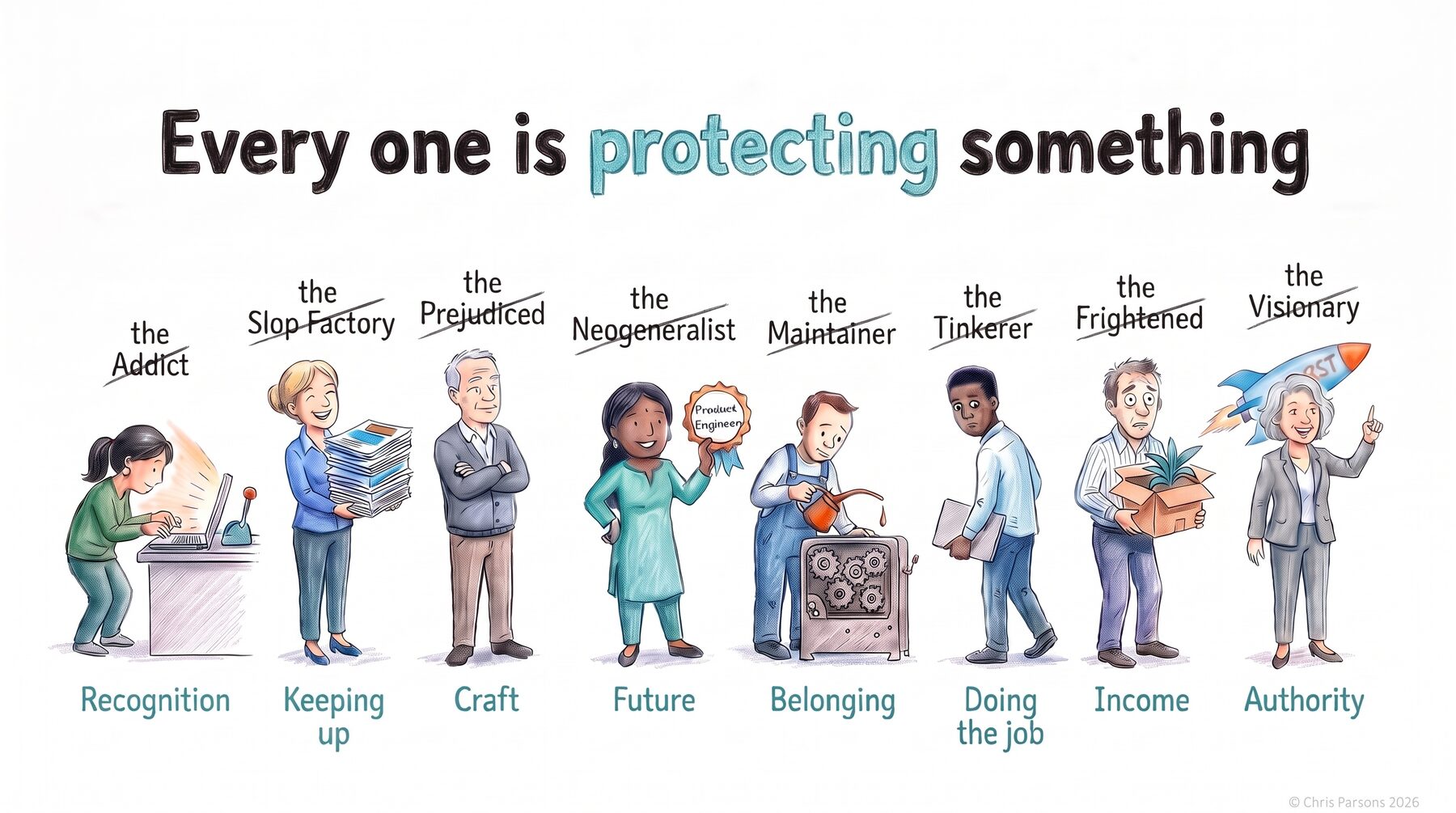
Slide: 'Every one is protecting something'. The eight characters stand in a line, each labelled with what they protect: recognition, keeping up, craft, future, belonging, doing the job, income and authority.

Three things leaders can do

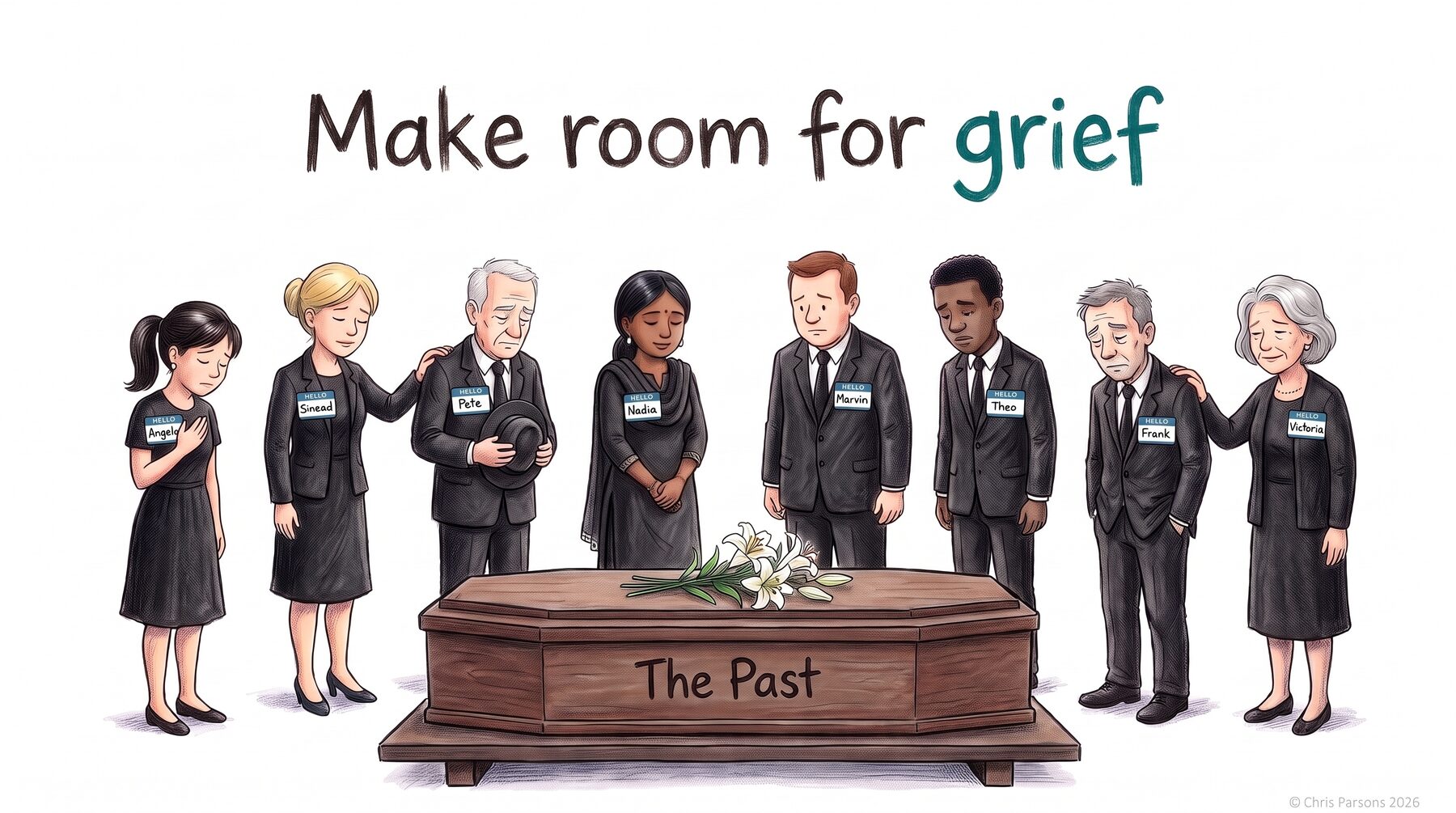
Slide: 'Make room for grief'. The eight characters stand in black around a coffin labelled 'The Past'.

Make room for grief. Work that gave someone pride may have changed underneath them. Listen to that before making the productivity case. Funerals are for the living, not the dead.
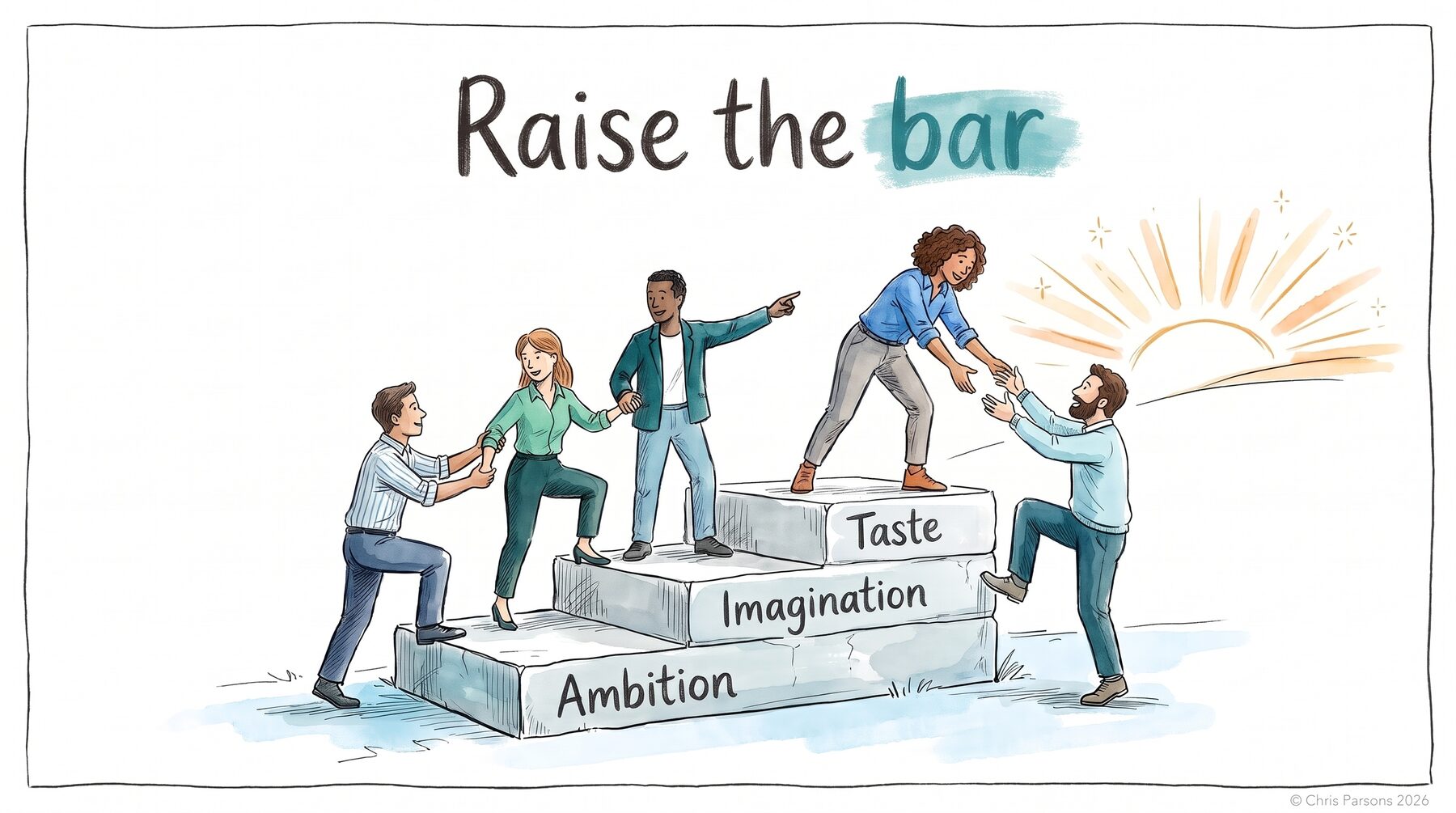
Slide: 'Raise the bar'. People help each other up steps labelled Ambition, Imagination and Taste towards a rising sun.

Raise the bar together. Help people build ambition, imagination and taste. Show each other what good work looks like now, including when to stop using AI. Angela does not need more ambition. She needs taste.
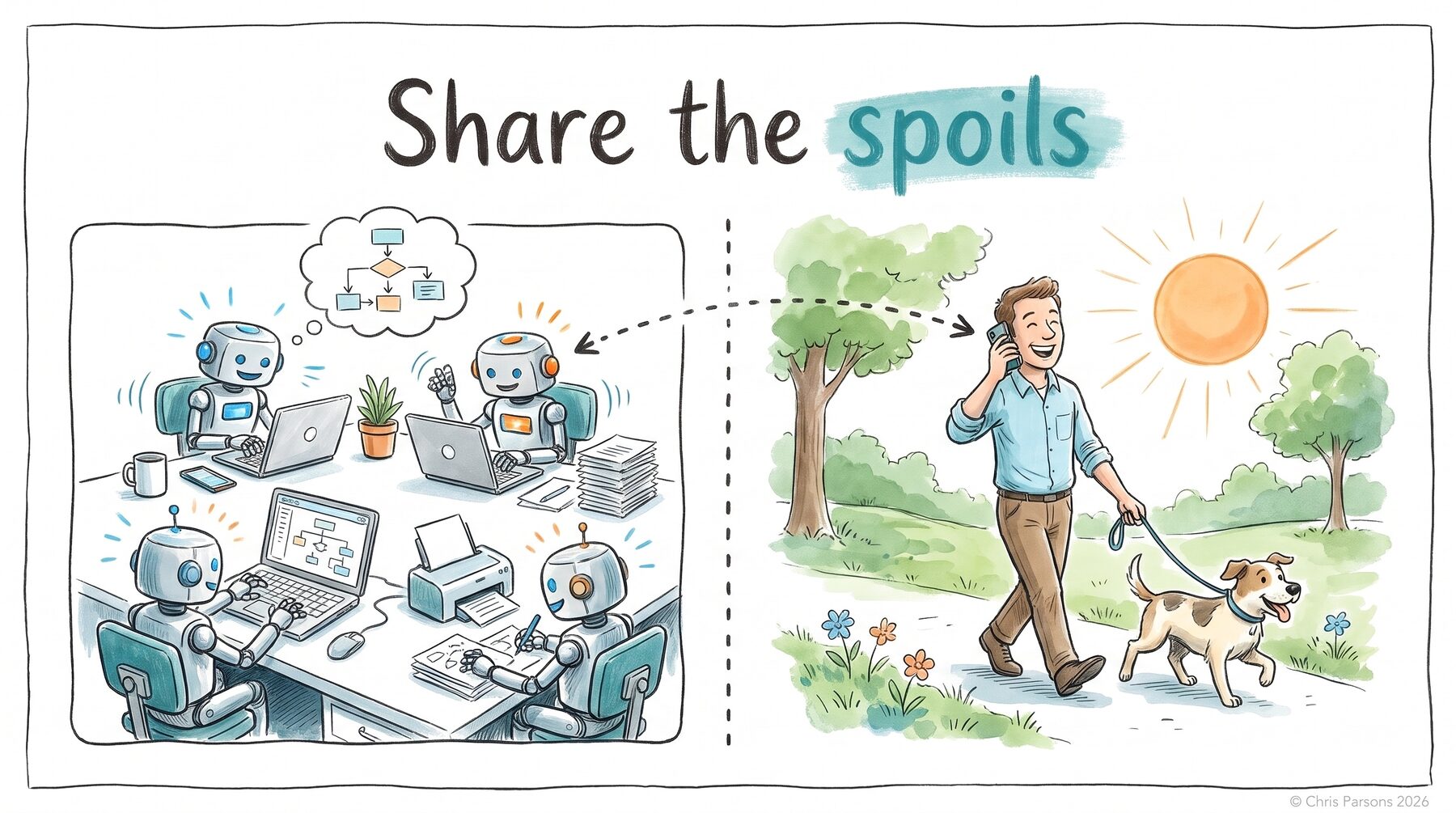
Slide: 'Share the spoils'. On one side, robots work at desks; on the other, a man walks his dog in the sunshine while talking to his agent on the phone.

Share the gains. If people can manage AI work without sitting at a desk all day, let the working arrangement change with the job. Do not ask the most enthusiastic people for more hours just because the tools allow it. In the industrial revolution, real wages barely moved for half a century while output per worker rose.1

I explored an earlier version of these people problems in a March webinar. That session had seven characters, several of whom return here. The Øredev talk revisits the idea with eight and puts the leadership response at its centre.

One thing to try

Talk to one person on your team this week. Ask how AI is changing their work, and listen for what they are trying to protect. The conversation is worth more than another usage chart. People crave connection, and it is the one thing AI cannot give them.
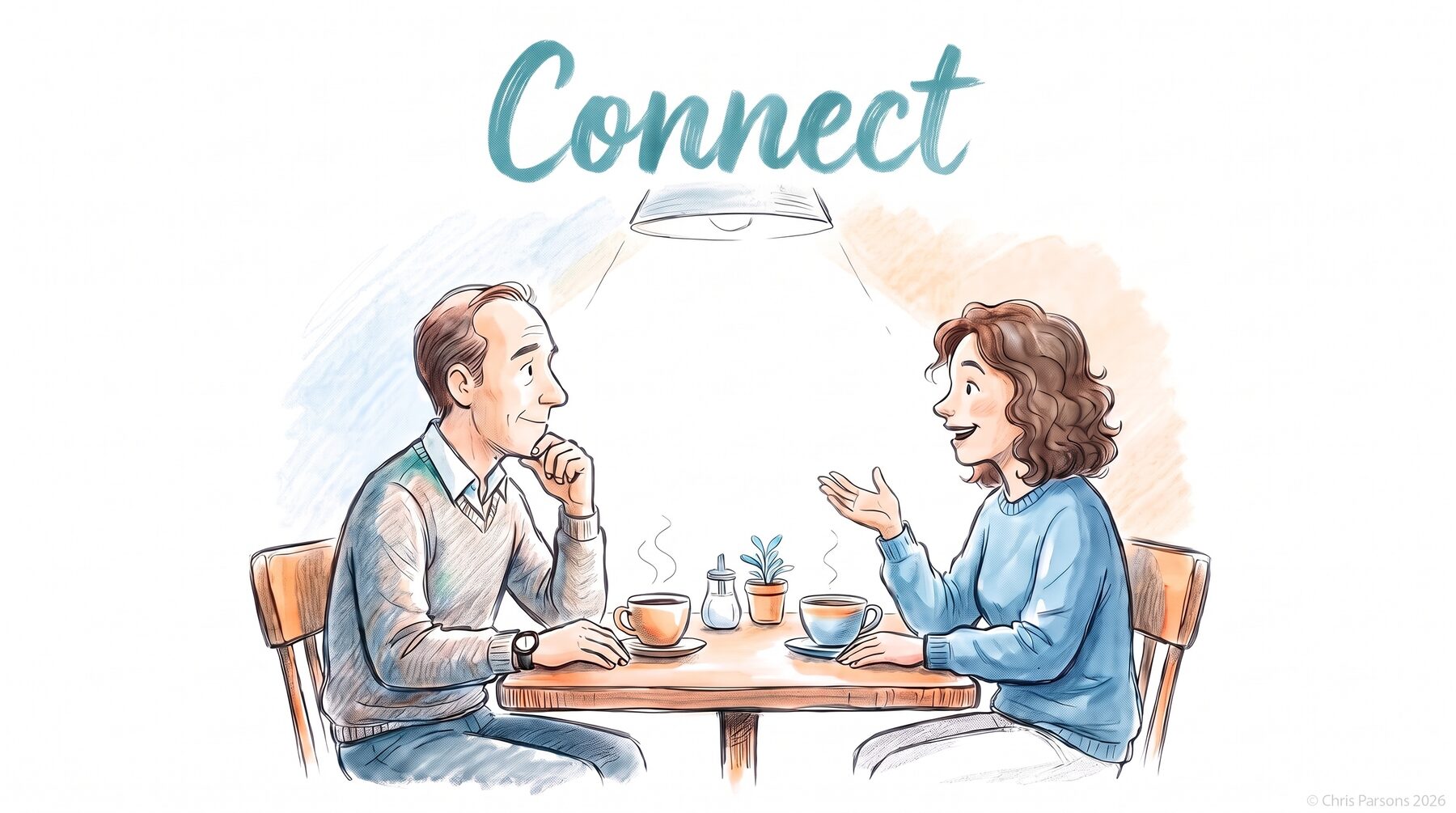
Slide: 'Connect'. Two people talk over coffee at a small café table.

With social media, the technology raced ahead and people were left to cope on their own. We already know that legacy. This time we get to choose AI’s.

Read the whole story
denismm
18 days ago
reply
Ellen the Ethical will have to be fired.
Share this story
Delete

AI Changed the Cost of Writing Code. It’s Time to Reestimate Legacy Modernization.

1 Comment and 2 Shares
An enterprise application has been running for 30 years. It still processes orders, calculates payments, or moves information between systems the business depends on. Everyone…
Read the whole story
denismm
26 days ago
reply
So you replace a system that nobody understands but it still runs, with a new system that nobody understands and probably still runs? I am skeptical :)
Share this story
Delete

Note on 18th September 2026

1 Comment and 2 Shares

Being a computer scientist who refuses to find anything about LLMs interesting right now is a bit like being a geneticist who refuses to find anything interesting about the recently opened Jurassic Park.

Skeptical geneticist: "pfft, it's just frog DNA. And they deliberately let them eat people for the marketing."

Tags: llms, ai, generative-ai
Read the whole story
denismm
64 days ago
reply
Better analogy of my opinion: “this dinosaur stuff is some interesting technology but it’s being built by the worst people in the world, it’s not worth nearly what they’ve spent on it, they’re not thinking hard enough about safety, and perhaps it would be better for the world if they hadn’t even started.”
WorldMaker
48 days ago
One of the lessons of Jurassic Park is that even the richest jerks “sparing no expense” still cut corners on IT and infosec.
Share this story
Delete

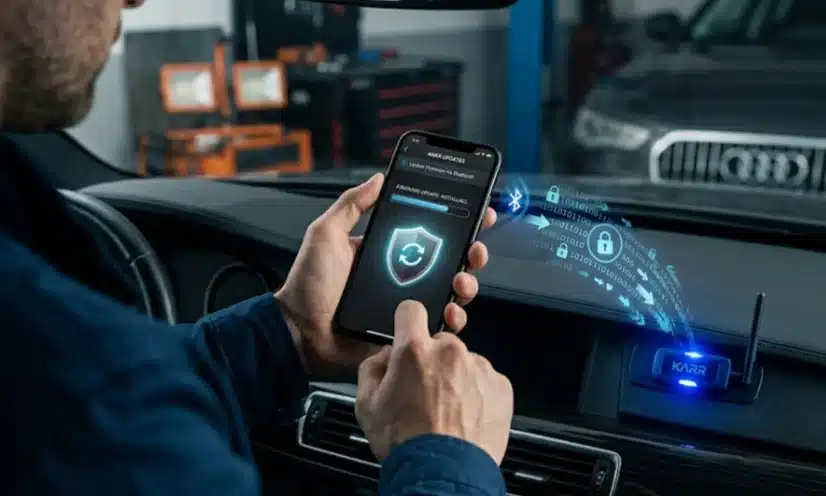
2.2 Million Vehicles Exposed to KARR Bluetooth Security Flaw

1 Comment and 2 Shares

KARR Security System

Millions of drivers with a dealer-installed KARR Security System are being urged to update their KARR alarm using an iPhone or Android device after researchers uncovered a Bluetooth vulnerability that could allow nearby attackers to unlock or immobilize affected vehicles.   The flaw impacts more than 2.2 million vehicles equipped with the aftermarket security system, but it does not affect factory-installed vehicle software, Apple CarPlay or Apple's iPhone platform. 

KARR Security System Vulnerability Affects Dealer-installed Hardware 

The KARR Security System is installed by dealerships to secure vehicles on their lots. In many cases, the hardware remains connected even after buyers decline the paid KARR alarm service. Because it is third-party equipment, automakers cannot deliver fixes through their standard software update process.  Researchers from the University of California, San Diego found that attackers within Bluetooth range could lock or unlock vehicles, disable alarms, activate horns, flash lights, or prevent parked vehicles from starting. However, they confirmed the flaw cannot remotely start a vehicle or control it while driving. 

iPhone App Update Fixes KARR Alarm Flaw 

Acrisure Protection Group, which sells the KARR Security System, released a firmware update on July 20 after researchers privately disclosed the issue in January 2025. Owners using the KARR Security app on an iPhone should receive an update notification. Others must download the app, connect it to the KARR alarm, then navigate to "Customer Service" and "Firmware Update." The patch was released before presentations scheduled for DEF CON on August 9 in Las Vegas and the USENIX Security Symposium on August 12 in Baltimore.

Hidden KARR Security System Complicates Updates 

Researchers estimate at least half of affected owners never requested the KARR Security System. Dealerships often left deactivated hardware installed, yet researchers found these units continued broadcasting Bluetooth signals while vehicles were running and for up to 10 minutes after being switched off. Owners can identify the system by checking for a KARR or "SWDS" sticker on the driver's window or a blinking button beneath the dashboard. Most affected vehicles were purchased from Honda, Toyota, Mazda, Ford and Jeep dealerships in Southern California between 2017 and July 21, although impacted vehicles were also identified elsewhere.

Shared Bluetooth Key Exposes KARR Alarm Devices

Researchers discovered a universal authentication key embedded in the official smartphone app while reverse engineering Bluetooth communications. Using a proof-of-concept Android app, they unlocked vehicles, disabled KARR alarm functions, and triggered horns and lights. Although the flaw alone cannot steal a vehicle, researchers said it could provide quiet access before a commercially available locksmith tool creates a working key. Acrisure described the attack as "highly complex" and said the real-world risk is low. Neither UC San Diego nor Wired found evidence of criminals exploiting the vulnerability.

Privacy Concerns and Recommended Action

Researchers also warned that Bluetooth signals from the KARR Security System could reveal vehicle locations. Using the WiGLE wireless database, they estimated at least 2.2 million Bluetooth-enabled systems had been deployed and detected 97 KARR-equipped vehicles during a 20-minute drive near the UC San Diego campus.  Drivers should confirm whether their vehicle contains a KARR Security System, install the latest firmware using the iPhone or Android app, and contact their dealership or KARR support if they cannot complete the update. 
Read the whole story
denismm
122 days ago
reply
This isn’t quite “Palantir” levels of ironic naming but it’s getting there.
Share this story
Delete

AI project stalled? Blame your outdated, fragmented workflow - and redesign it now

1 Comment and 2 Shares
If AI is underperforming at your company, it's because adding it on top of old systems is holding you back. But you can fix it before it's too late.
Read the whole story
denismm
258 days ago
reply
Can’t be the fault of the hallucinating lie machine. Blame yourself and spend more tokens!
Share this story
Delete
Next Page of Stories